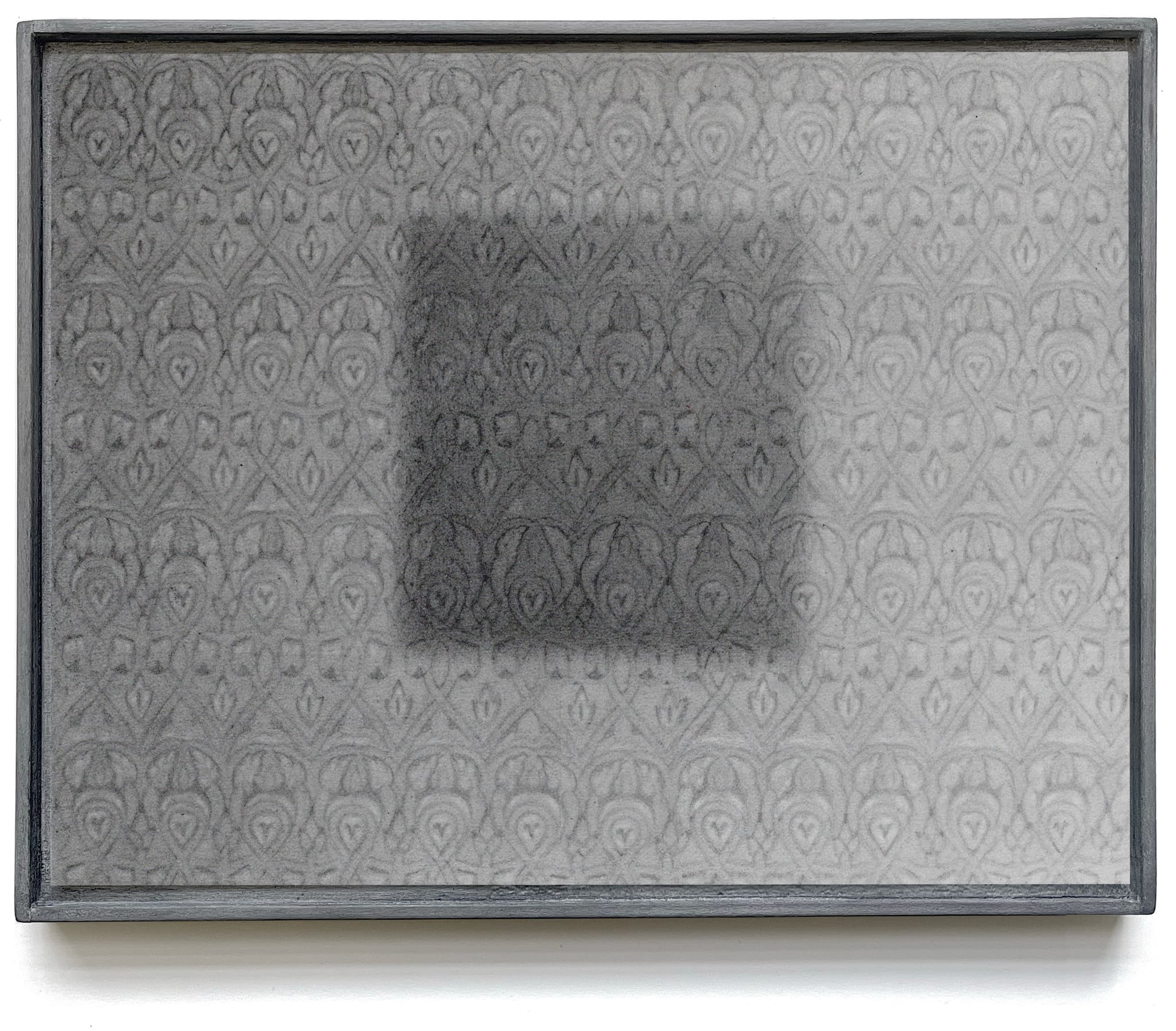
Mudanza (Empty Museum) 7.4 x 9.4 inch Graphite on paper in artist frame 2024
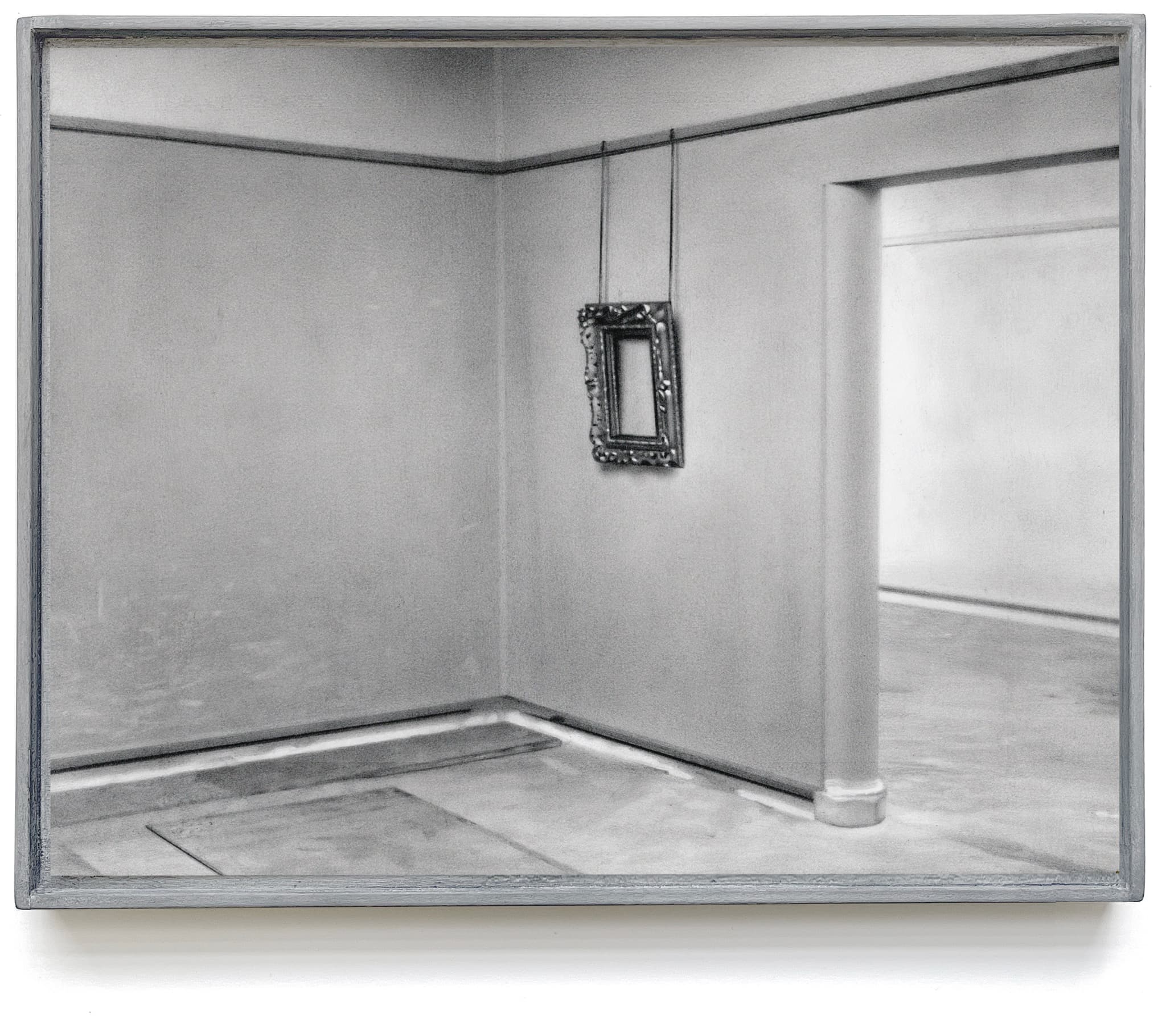
Mudanza (Empty frame) 7.4 x 9.4 inch Graphite on paper in artist frame 2024
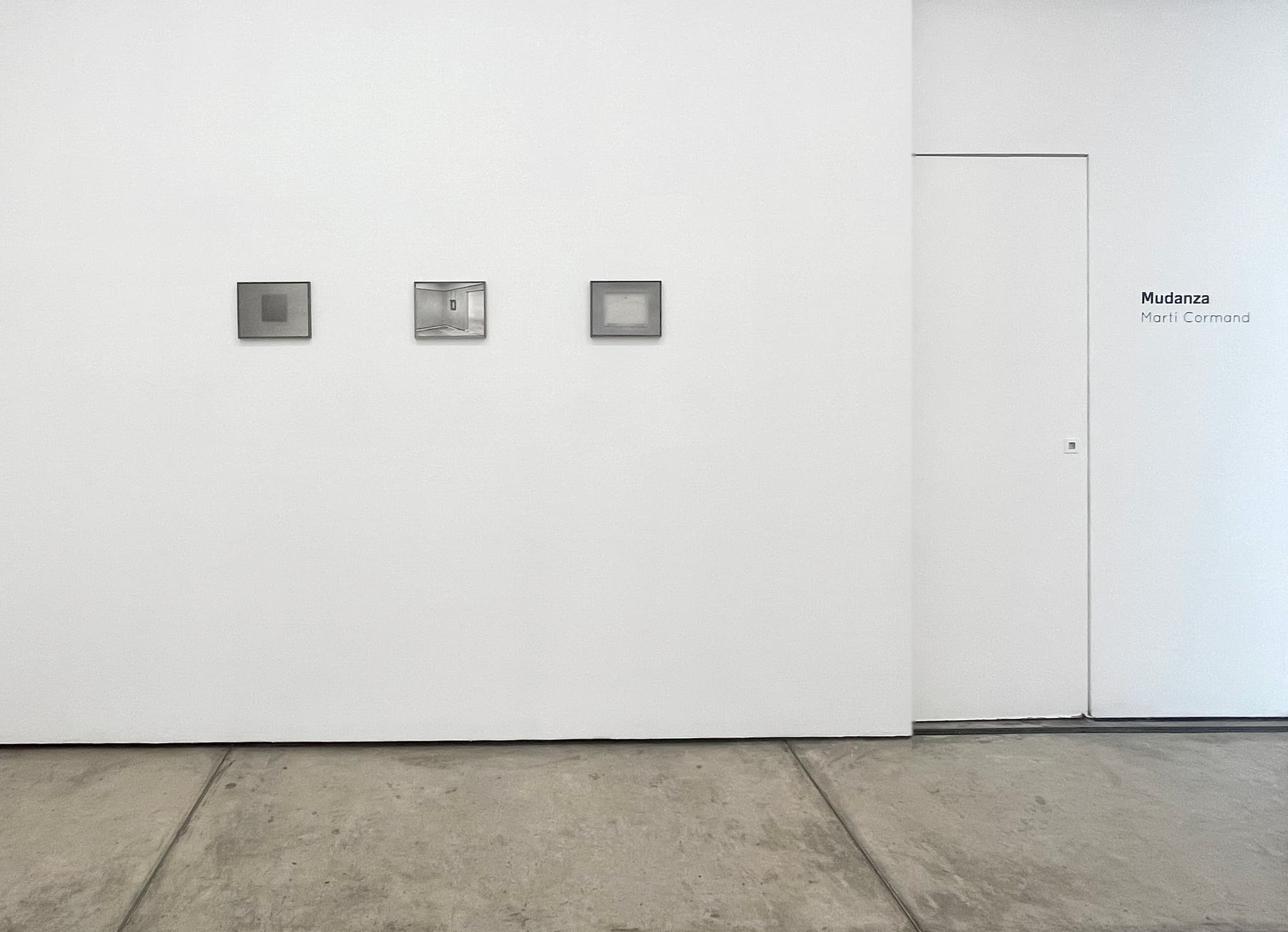
Mudanza, Arróniz 2025
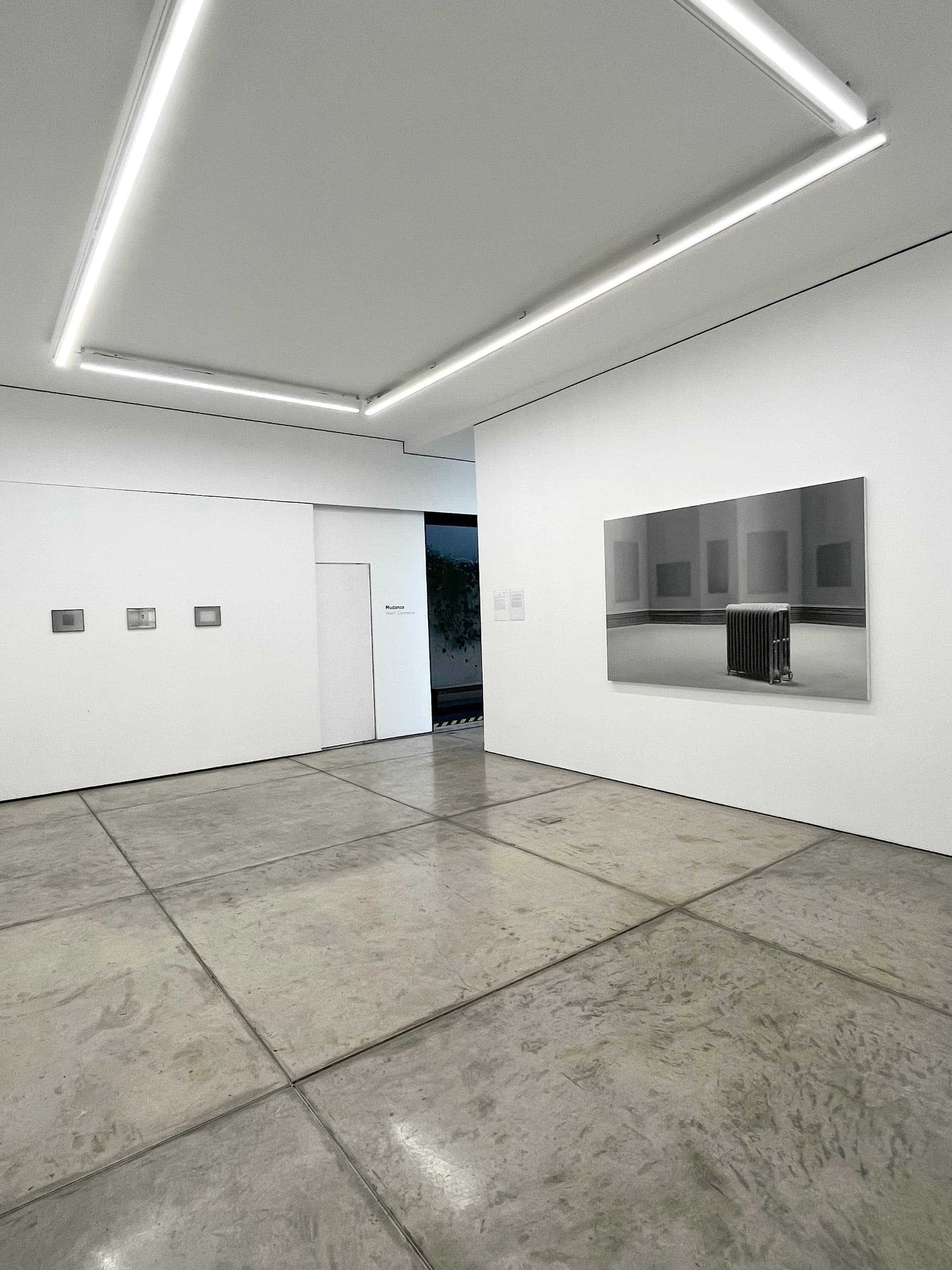
Mudanza, Arróniz 2025
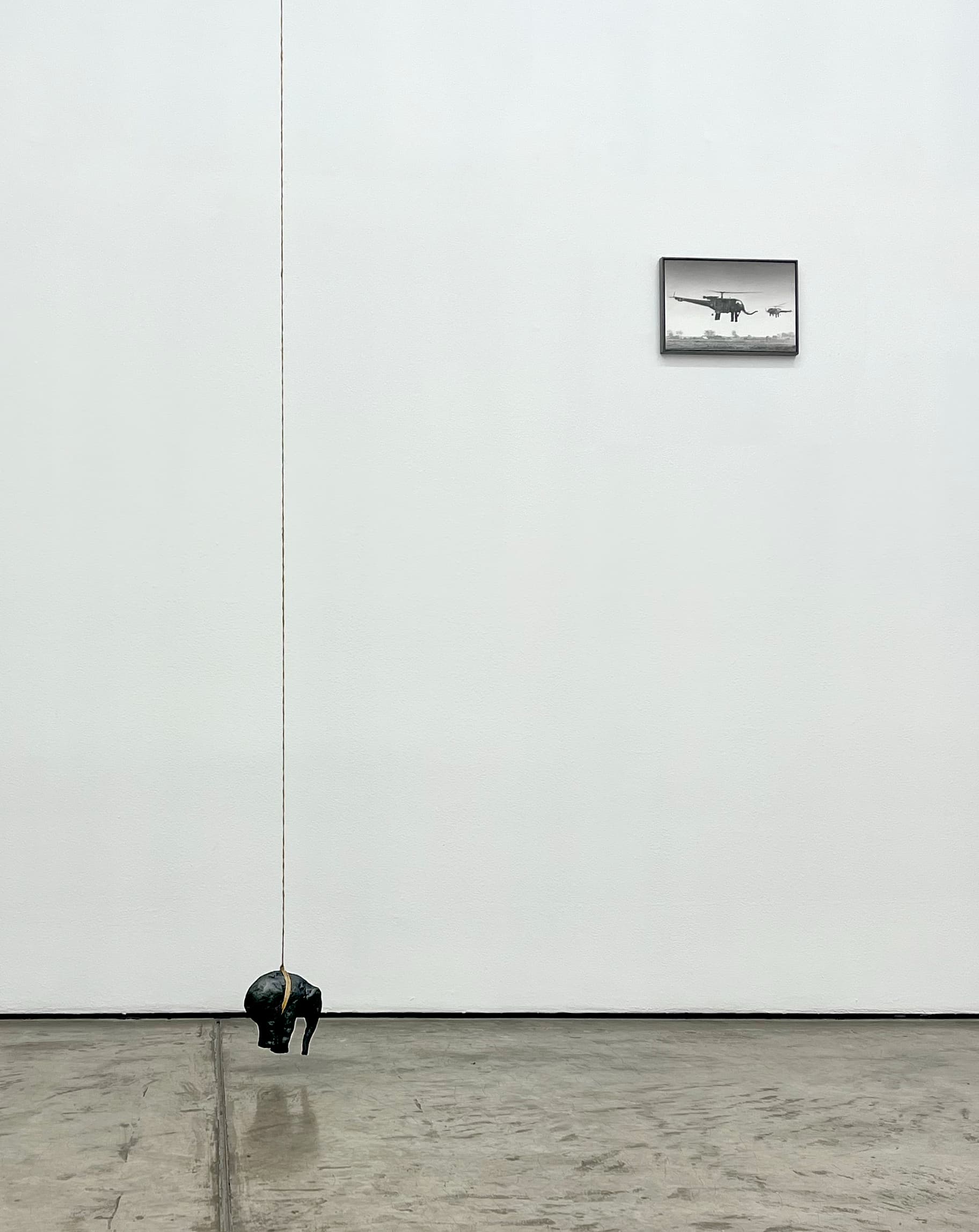
Mudanza, Arróniz 2025
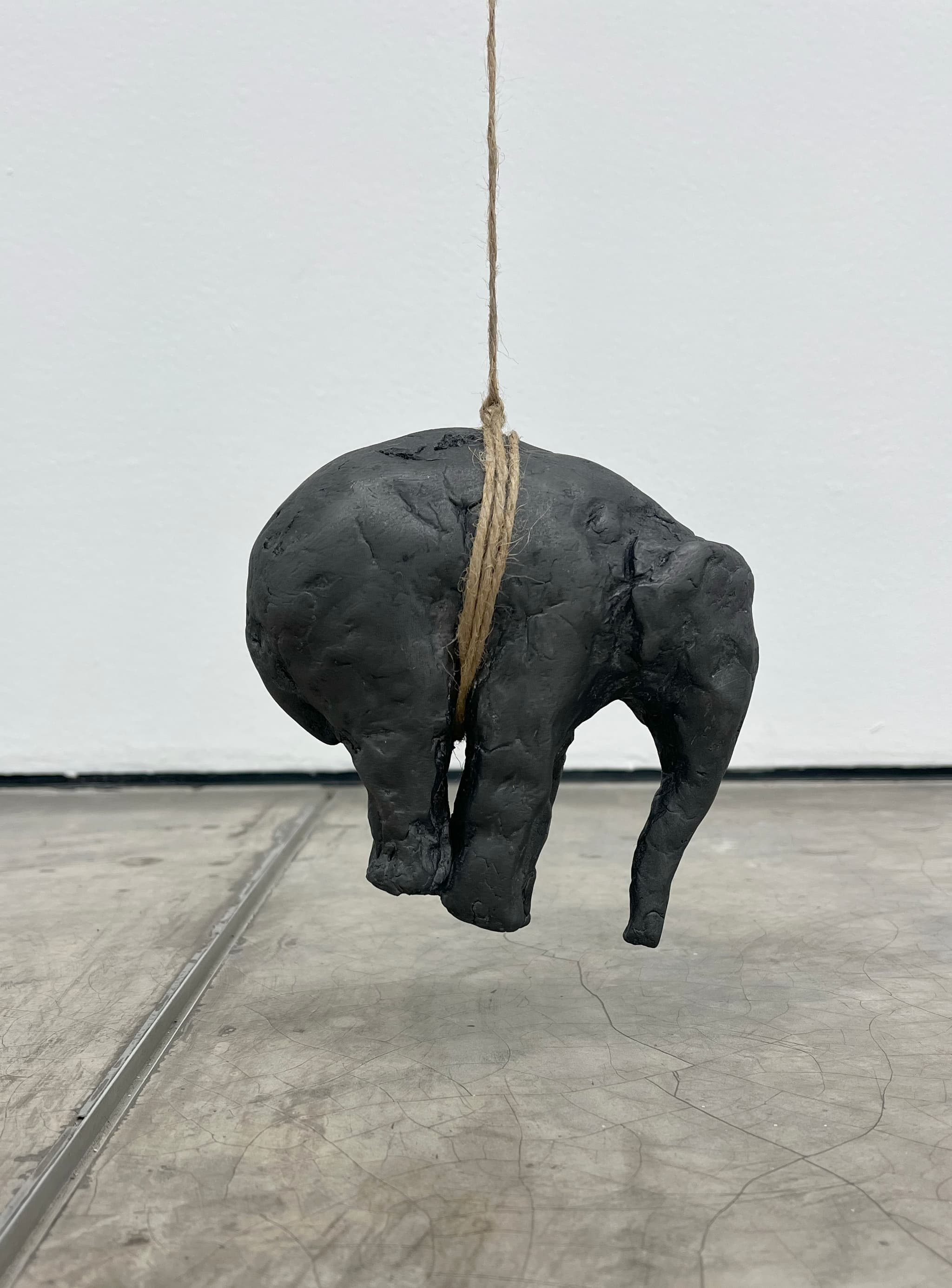
Un elefante en El Prado 4 6 x 6 x 2.3 inch Oil on clay and string 2019
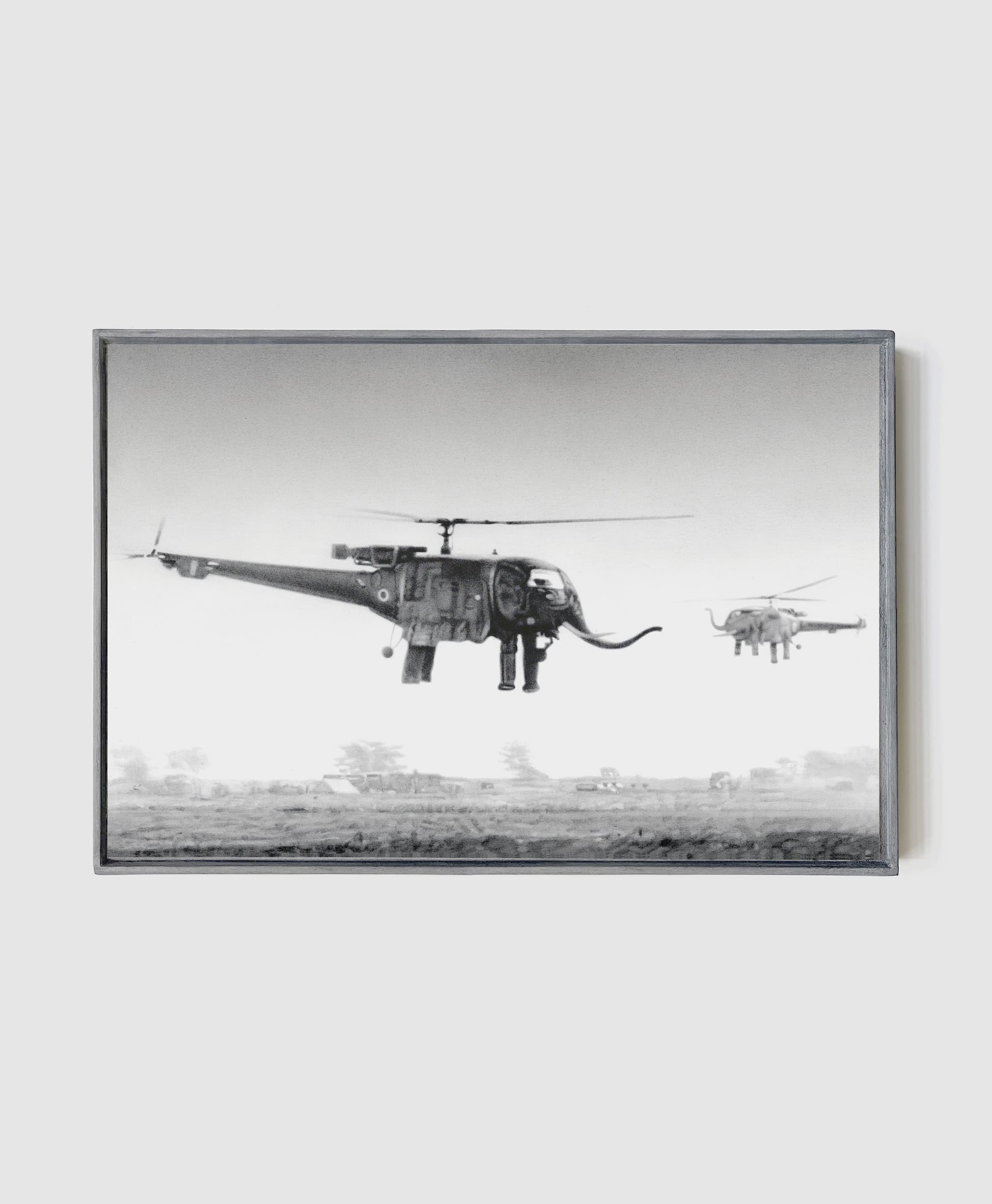
Mudanza (Elephant helicopter) 7.8 x 11.8 inch Graphite on paper in artist frame 2024
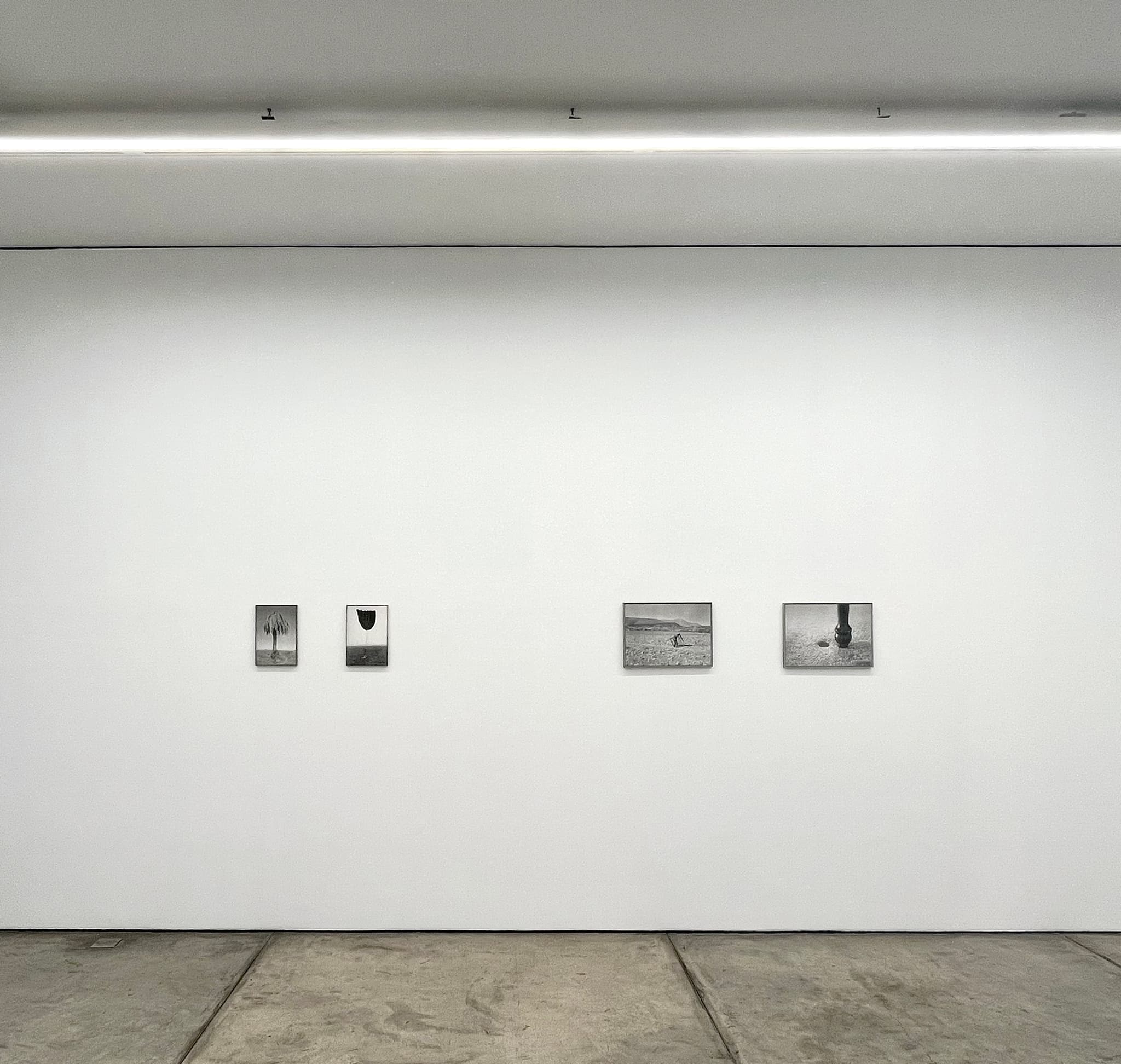
Mudanza, Arróniz 2025
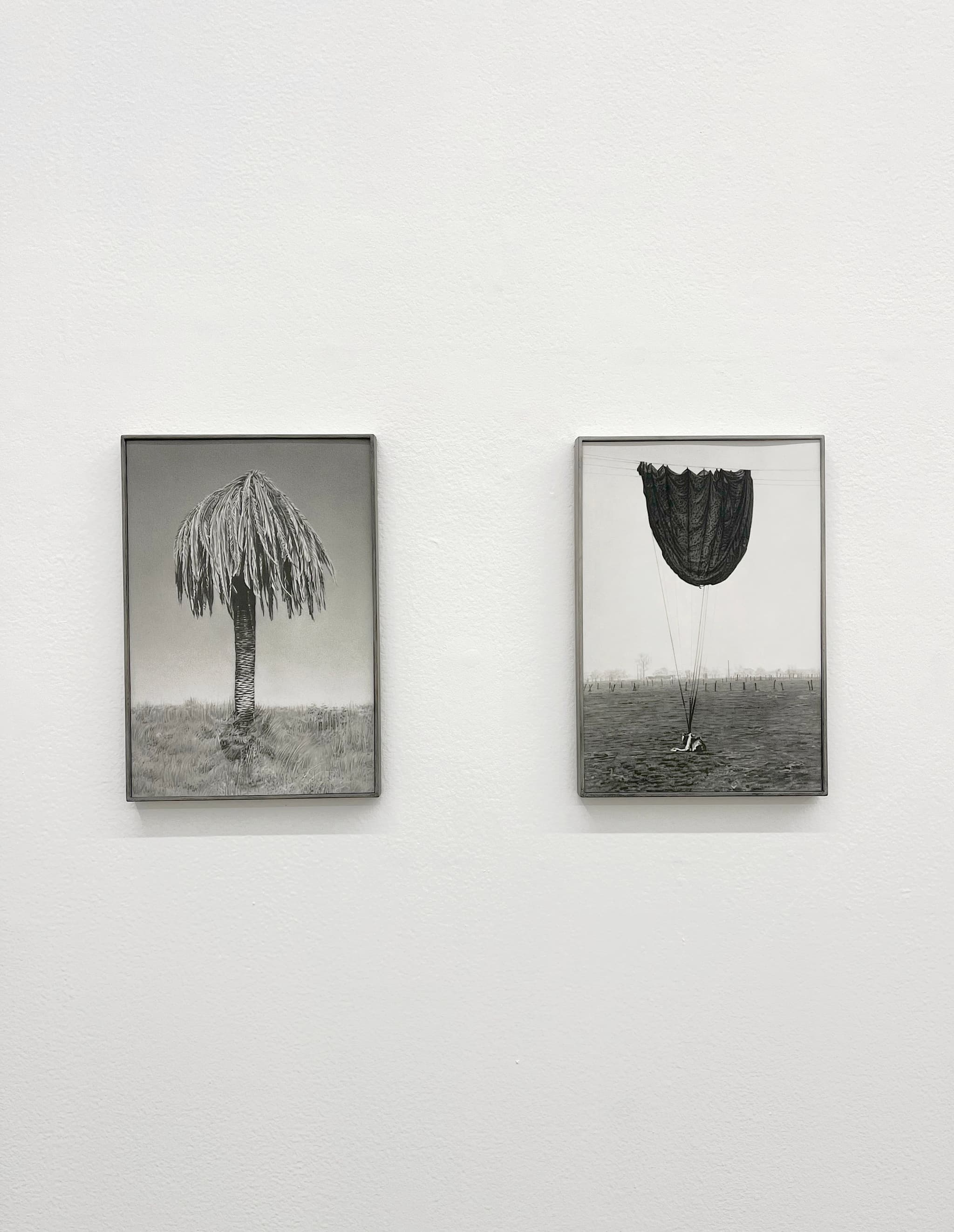
Mudanza (Sick palm tree) 12.2 x 8.4 inch Graphite on paper in artist frame 2025
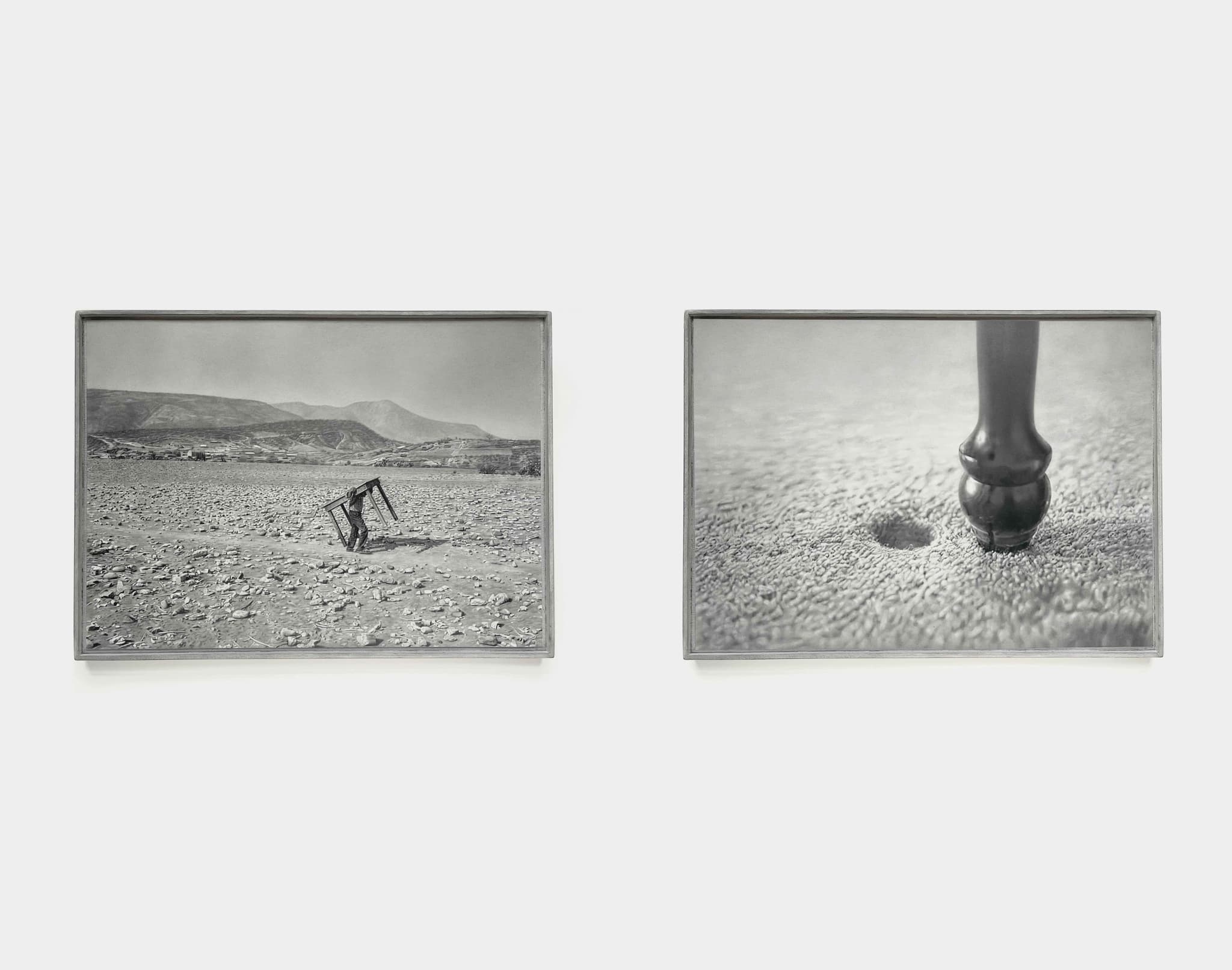
Mudanza (Abbas's table) 12.7 x 17.5 inch Graphite on paper in artist frame 2024
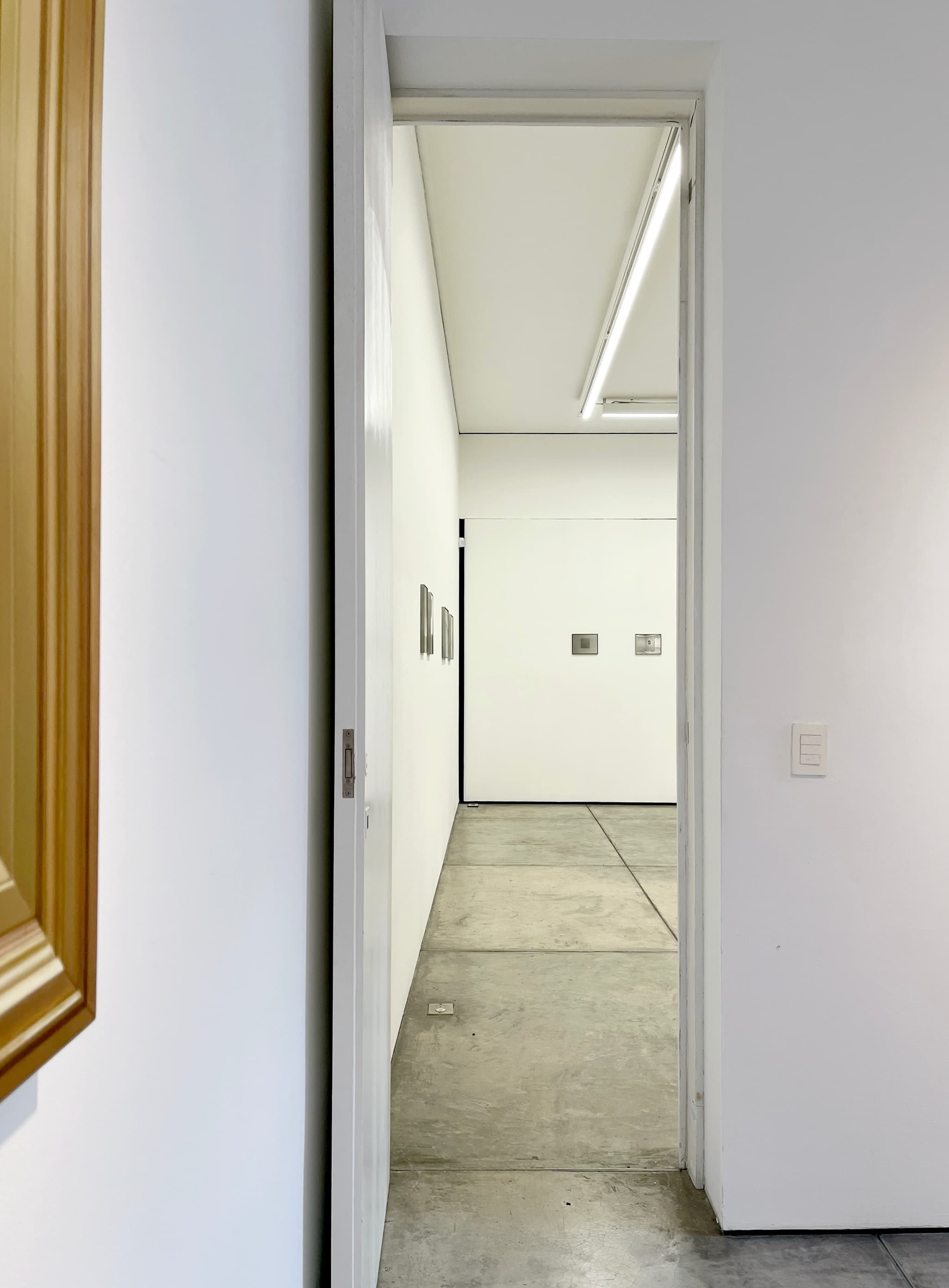
Mudanza, Arróniz 2025
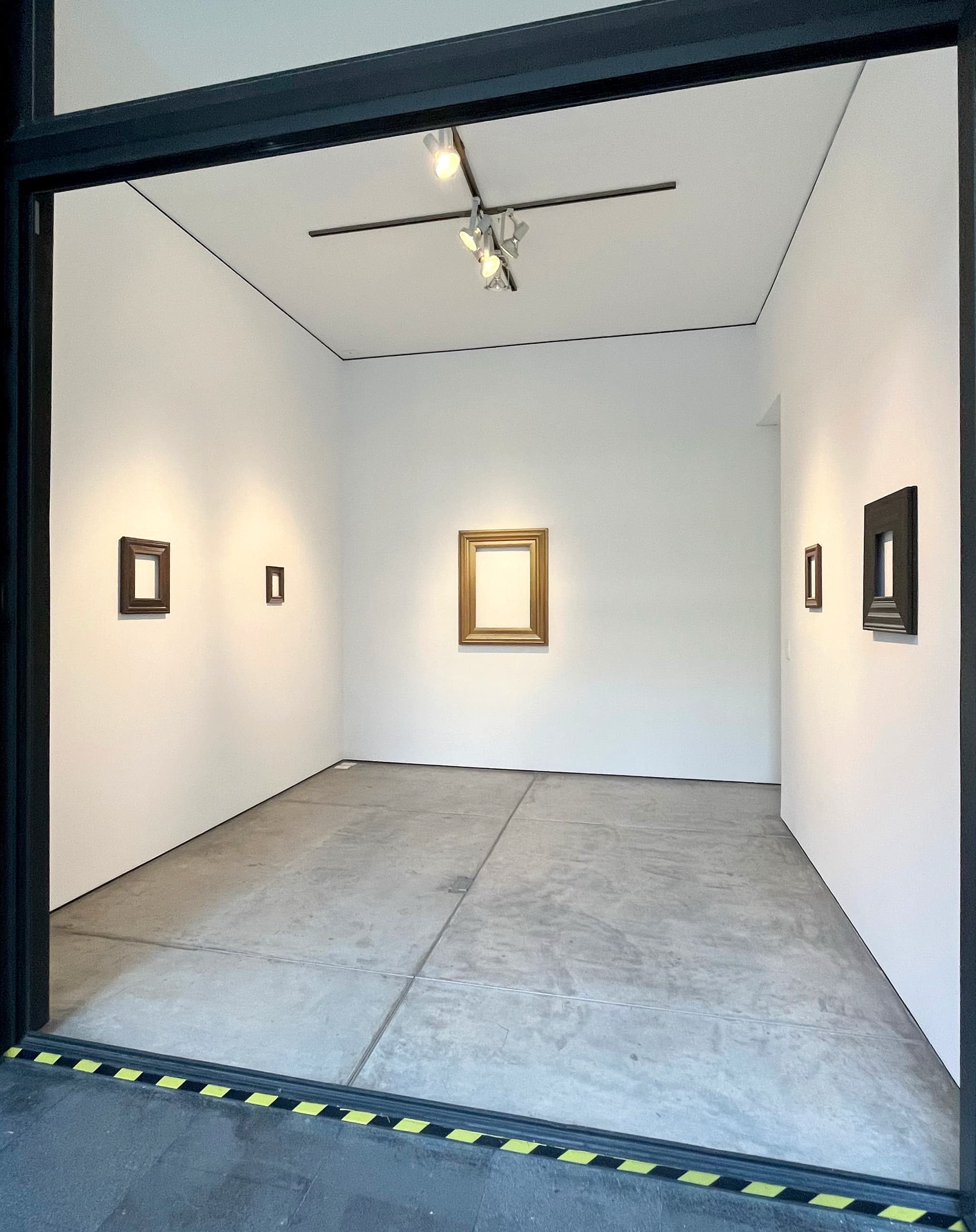
Mudanza, Arróniz 2025
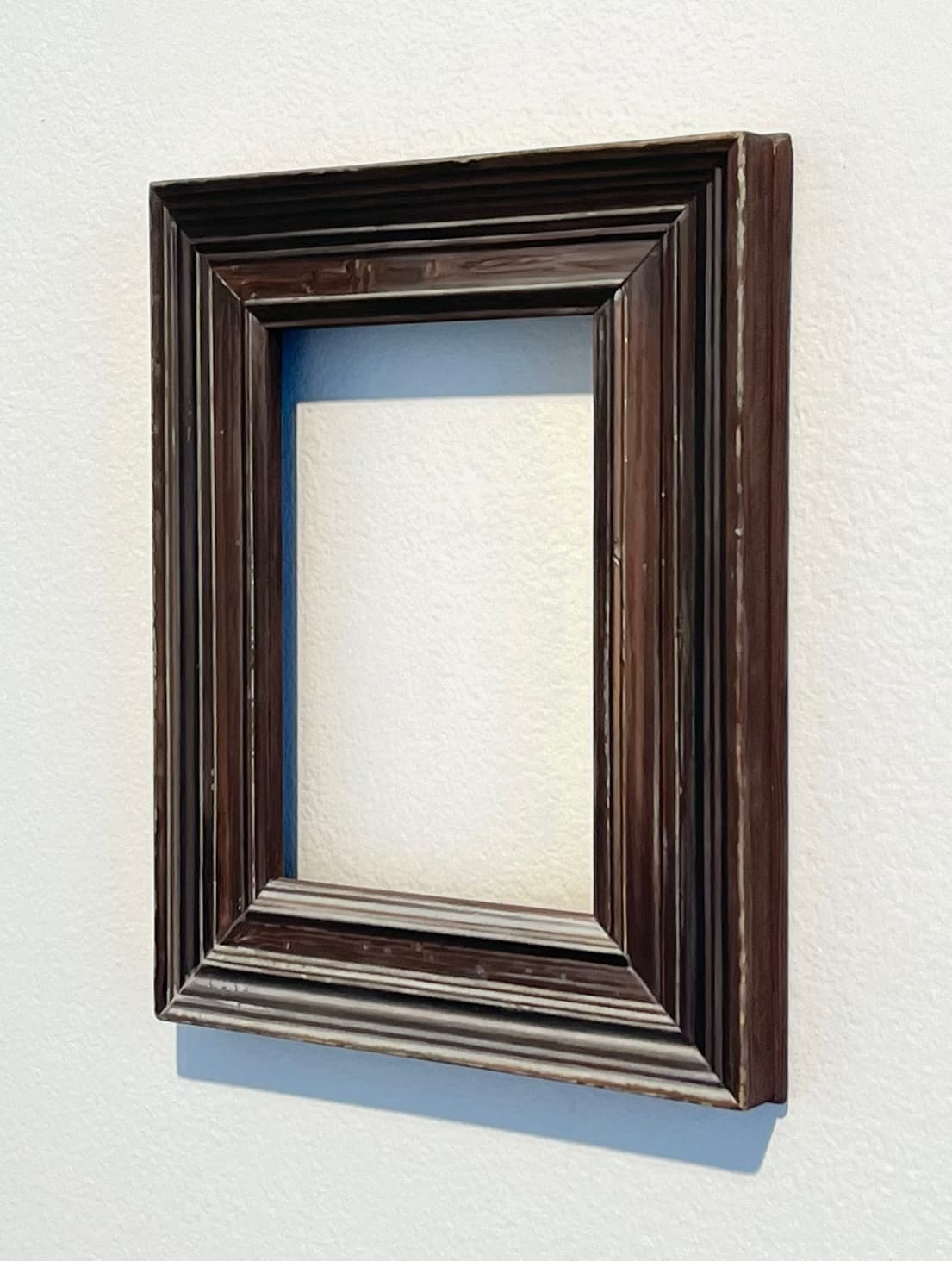
Frame 4 (van der Goes) 10 x 8 x 0.9 inch Oil on wood 2025
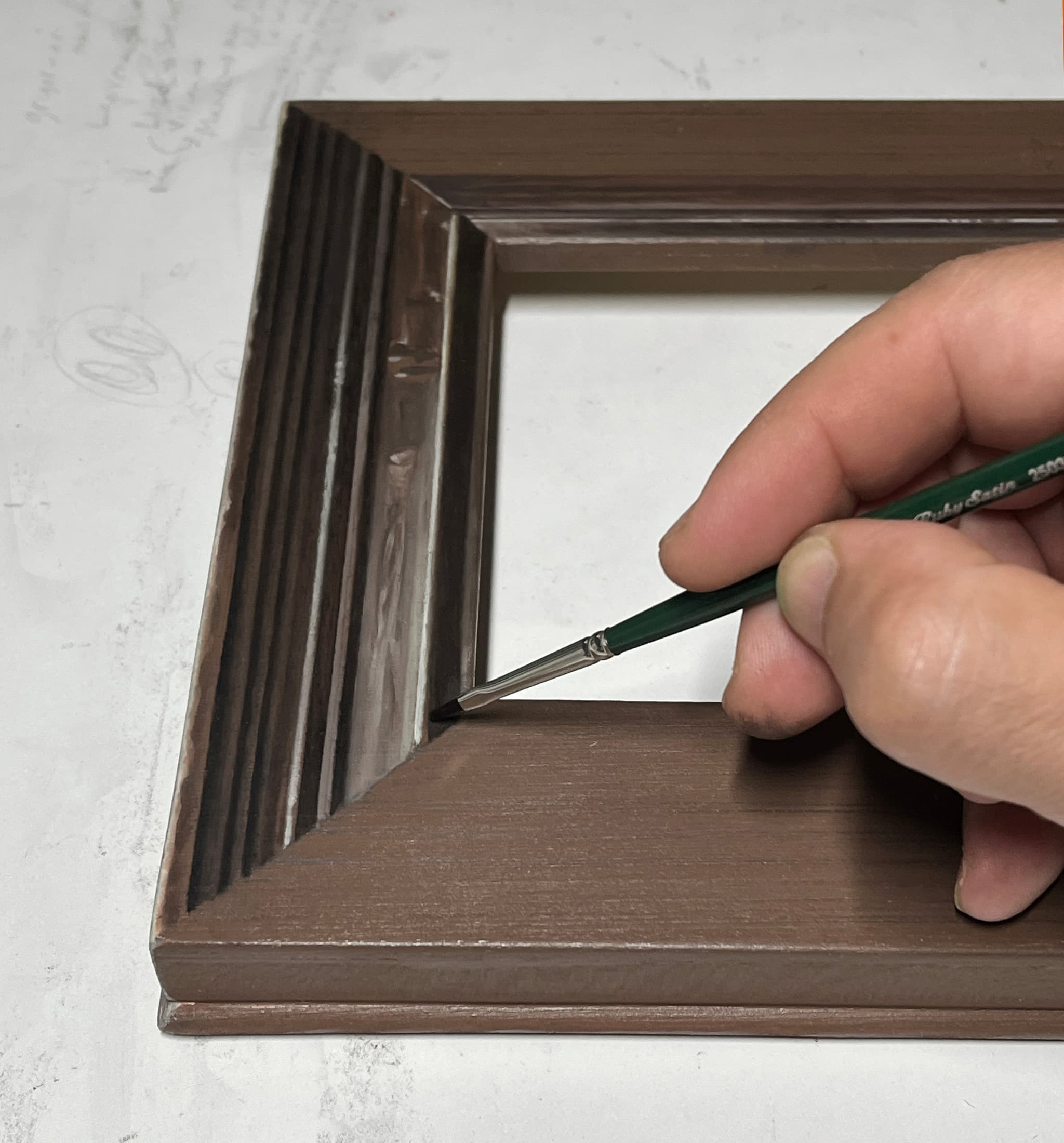
Frame 4 (van der Goes) Oil on wood
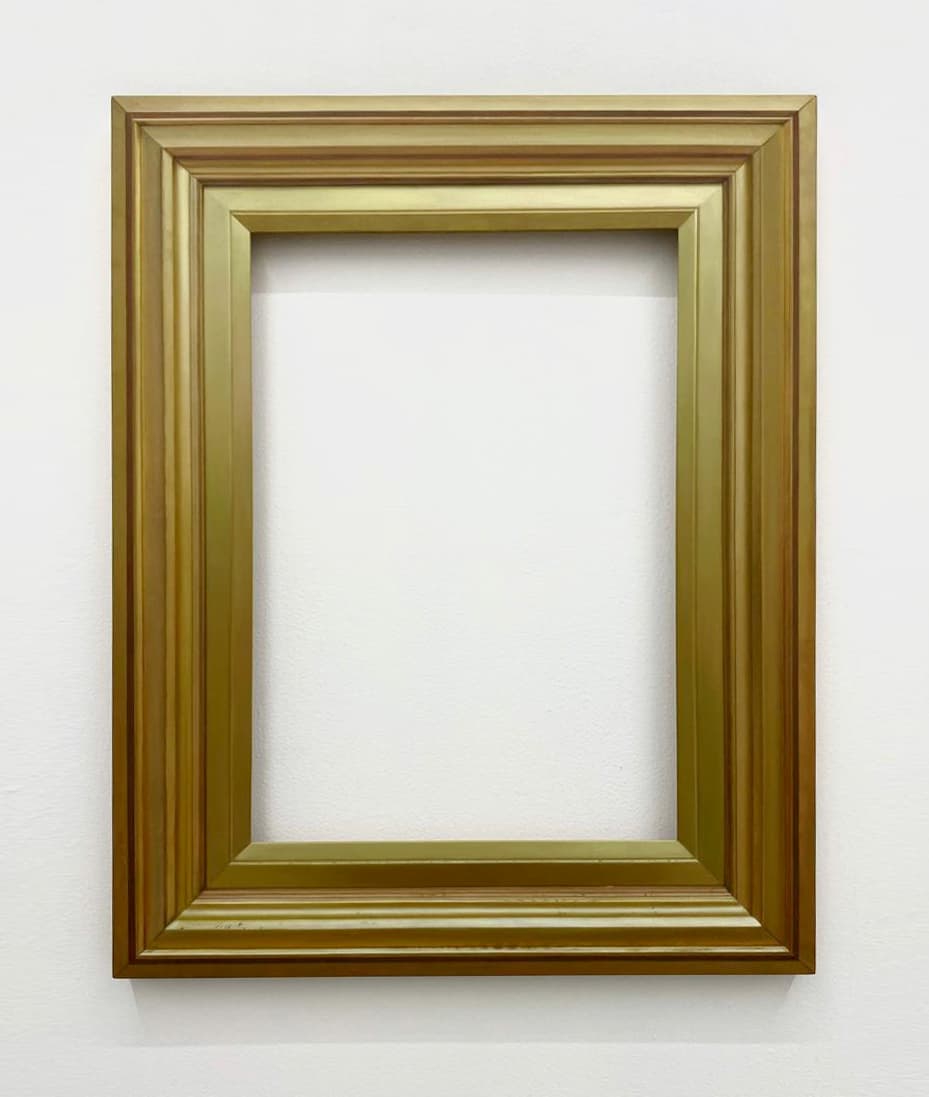
Frame 1 (Alma-Tadema) 37.25 x 29.25 x 1.5 inch Oil on paper and wood 2024
Mudanza (Moving) is based on two critical moments in the art history of the last century: the evacuation of the collections of museums such as the Prado or the Louvre and the exile of many artists during the Spanish Civil War and the Second World War.
In 1936, with the coup d'état and the outbreak of the Civil War, works by Velázquez, Goya, Ribera, Rubens, Dürer, etc., fled in trucks due to the lack of security. A week before the bombing, the Prado Museum was emptied of thousands of paintings that traveled to Valencia, until they reached Geneva, via Figueras. Many empty, ghostly spaces remained, traces, marks on the walls and empty frames.
With the war came sudden exile, forced displacement and moving. Among the many European refugees welcomed by Mexico were the Hungarian Emerico "Chiki" Weisz and the British Leonora Carrington. Chiki, Robert Capa's assistant, arrived from France in 1942. Leonora Carrington arrived that same year. They met and married in 1946 at the home of Hungarian surrealist photographer Kati Horna, at 198 Tabasco Street, the same address where the Galeria Arróniz is now located. This coincidence led me to review the images from the "Mexican Suitcase": more than 4,000 unpublished negatives that Capa took during the Spanish Civil War and that disappeared between 1939 and 2007 after Chiki handed them over to the Mexican ambassador in France for safekeeping. The images were the starting point for the new drawings included in Mudanza.
Mudanza (Empty Museum) 7.4 x 9.4 inch Graphite on paper in artist frame 2024
Mudanza (Empty frame) 7.4 x 9.4 inch Graphite on paper in artist frame 2024
Mudanza, Arróniz 2025
Mudanza, Arróniz 2025
Mudanza, Arróniz 2025
Un elefante en El Prado 4 6 x 6 x 2.3 inch Oil on clay and string 2019
Mudanza (Elephant helicopter) 7.8 x 11.8 inch Graphite on paper in artist frame 2024
Mudanza, Arróniz 2025
Mudanza (Sick palm tree) 12.2 x 8.4 inch Graphite on paper in artist frame 2025
Mudanza (Abbas's table) 12.7 x 17.5 inch Graphite on paper in artist frame 2024
Mudanza, Arróniz 2025
Mudanza, Arróniz 2025
Frame 4 (van der Goes) 10 x 8 x 0.9 inch Oil on wood 2025
Frame 4 (van der Goes) Oil on wood
Frame 1 (Alma-Tadema) 37.25 x 29.25 x 1.5 inch Oil on paper and wood 2024
Moving is based on two critical moments in the art history of the last century: the evacuation of the collections of museums such as the Prado or the Louvre and the exile of many artists during the Spanish Civil War and the Second World War.
In 1936, with the coup d'état and the outbreak of the Civil War, works by Velázquez, Goya, Ribera, Rubens, Dürer, etc., fled in trucks due to the lack of security. A week before the bombing, the Prado Museum was emptied of thousands of paintings that traveled to Valencia, until they reached Geneva, via Figueras. Many empty, ghostly spaces remained, traces, marks on the walls and empty frames.
With the war came sudden exile, forced displacement and moving. Among the many European refugees welcomed by Mexico were the Hungarian Emerico "Chiki" Weisz and the British Leonora Carrington. Chiki, Robert Capa's assistant, arrived from France in 1942. Leonora Carrington arrived that same year. They met and married in 1946 at the home of Hungarian surrealist photographer Kati Horna, at 198 Tabasco Street, the same address where the Galeria Arróniz is now located. This coincidence led me to review the images from the "Mexican Suitcase": more than 4,000 unpublished negatives that Capa took during the Spanish Civil War and that disappeared between 1939 and 2007 after Chiki handed them over to the Mexican ambassador in France for safekeeping. The images were the starting point for the new drawings included in Mudanza.