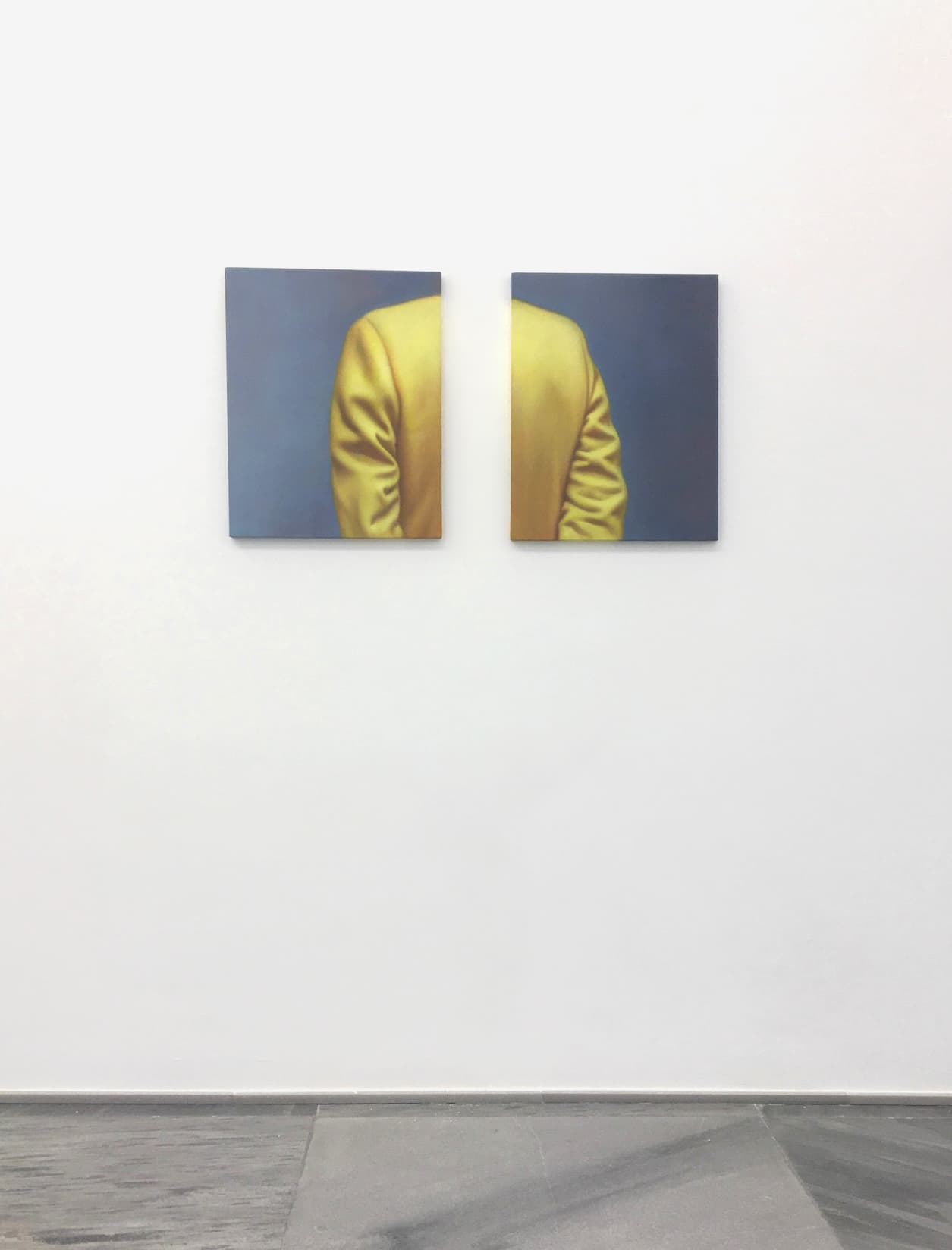
Closer to Vermeer: yellow jacket 2 20 x 16 inch each, diptych Oil on canvas 2023
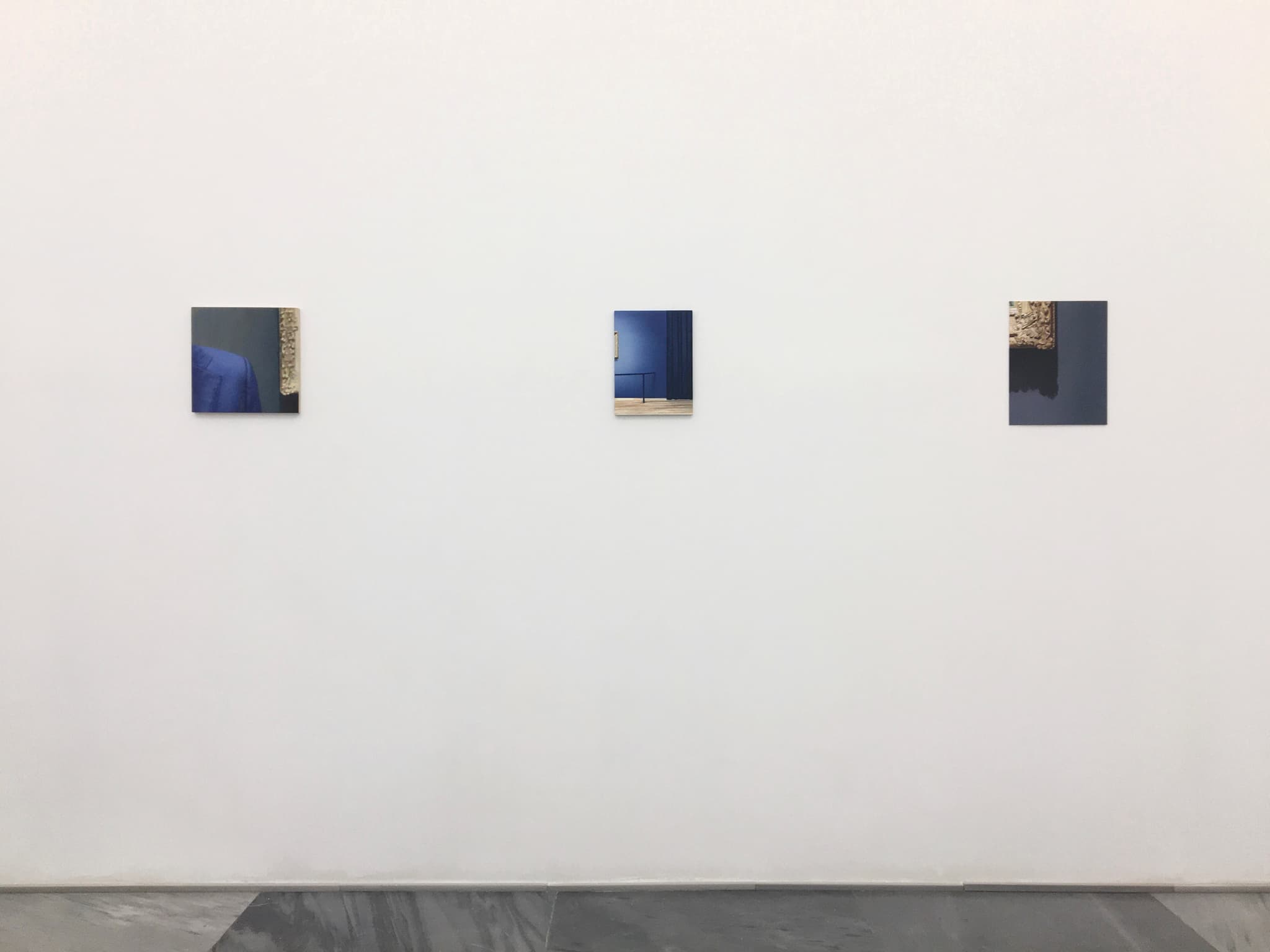
La pared amarilla, Espacio Mínimo 2023
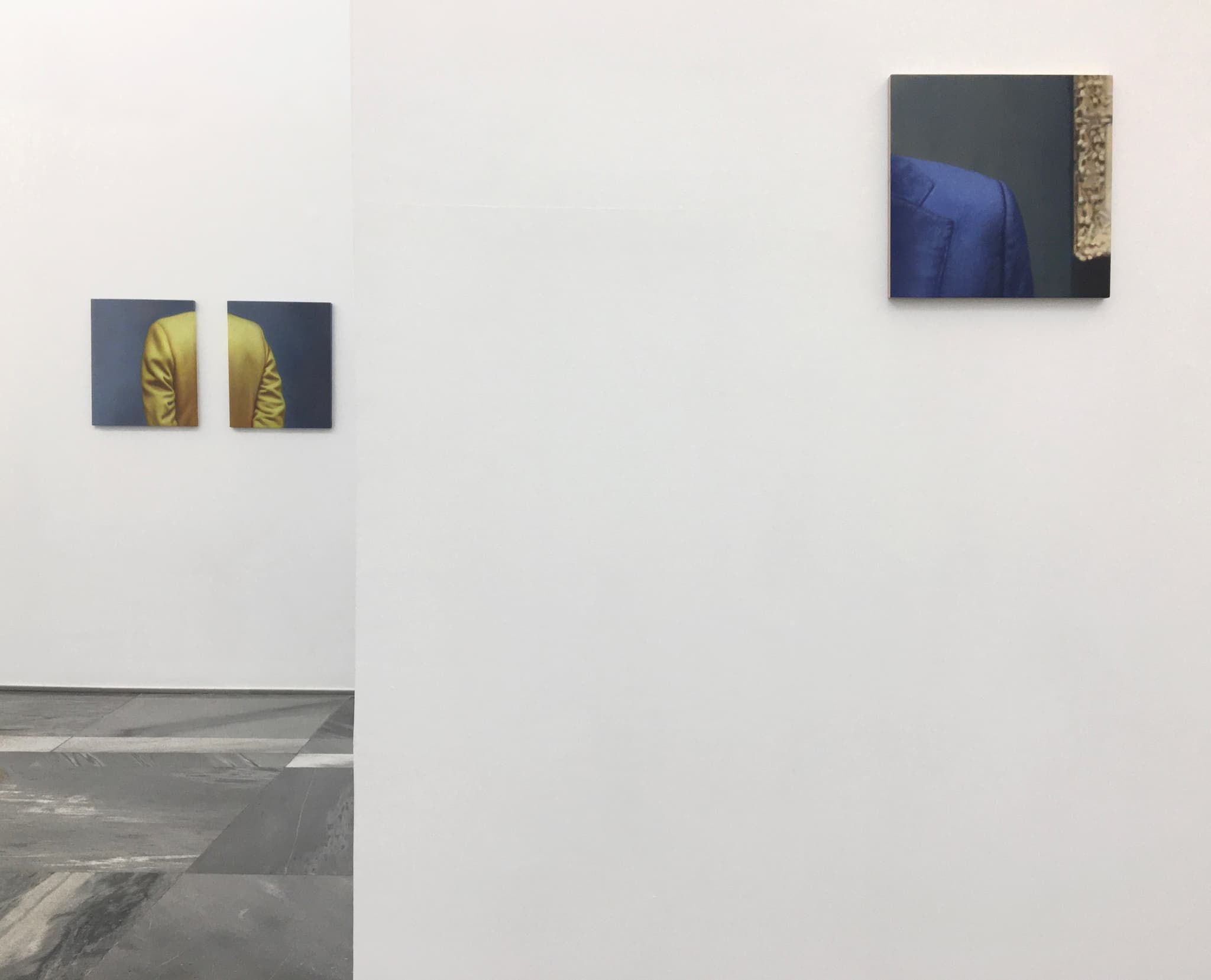
La pared amarilla, Espacio Mínimo 2023
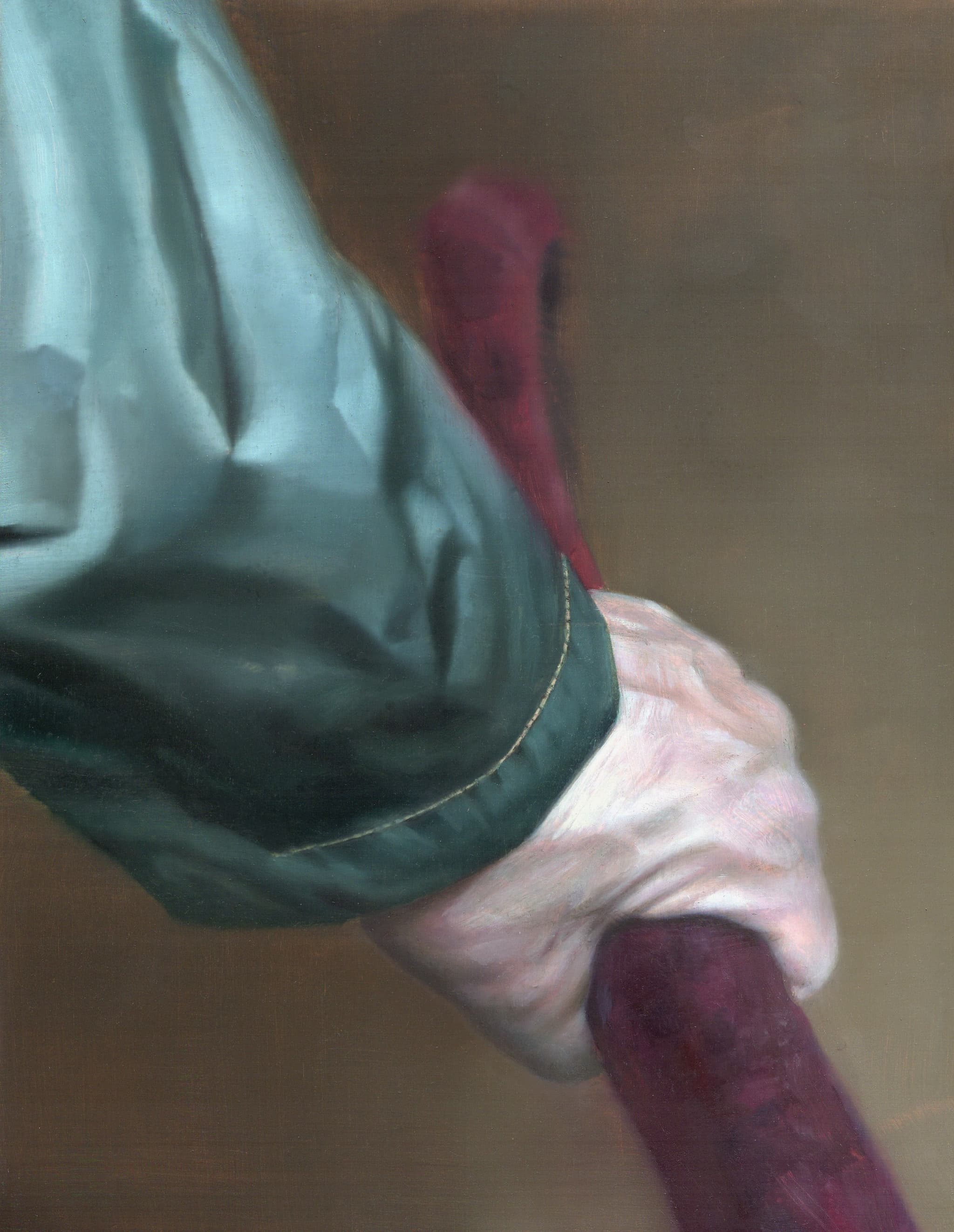
Closer to Vermeer: hand on velvet rope 10 x 8 inch Oil on wood board 2023
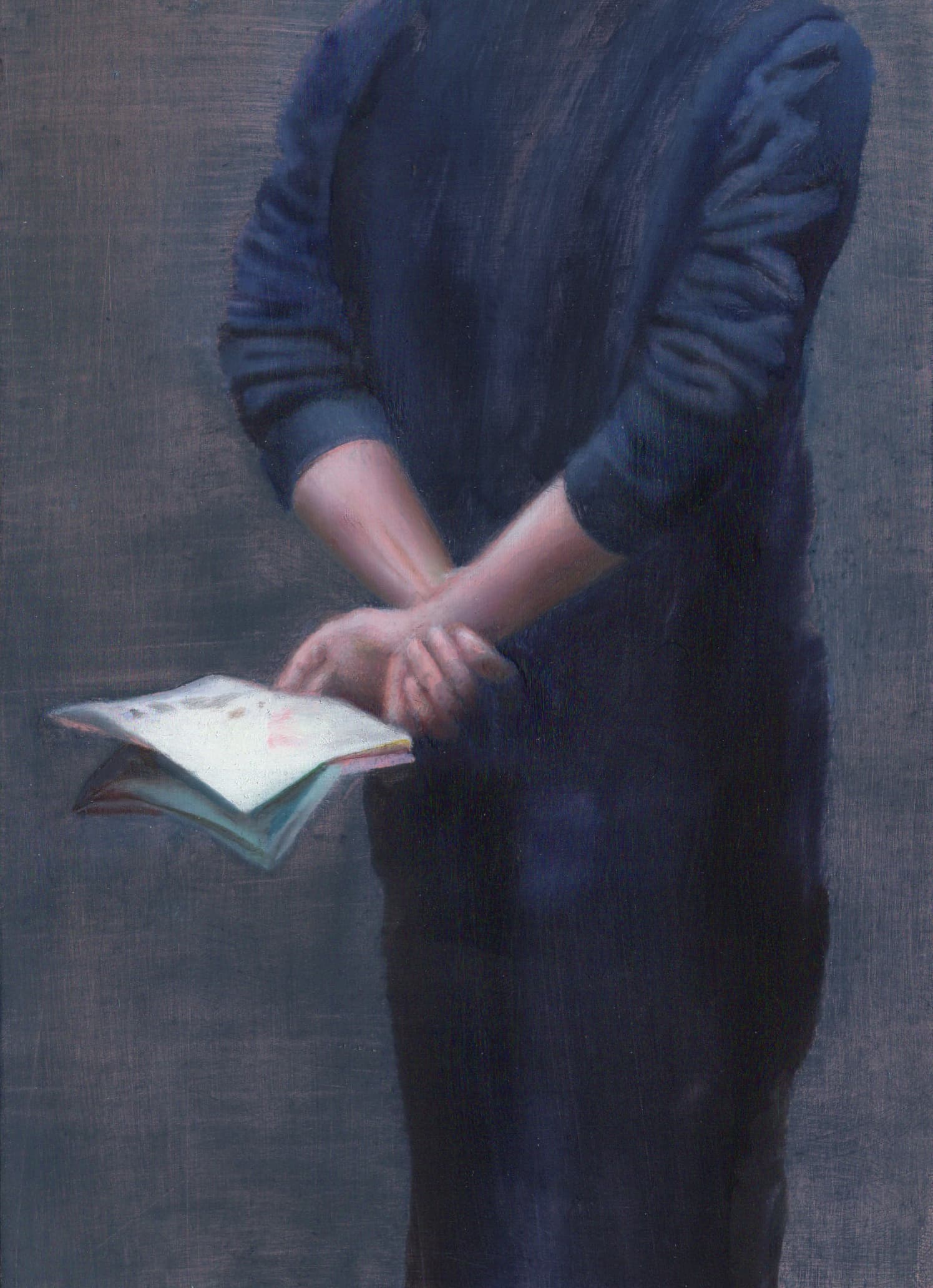
Closer to Vermeer: figure in blue sweater 7 x 5 inch Oil on wood board 2023

Closer to Vermeer: figure in white shirt 7 x 5 inch Oil on wood board 2023
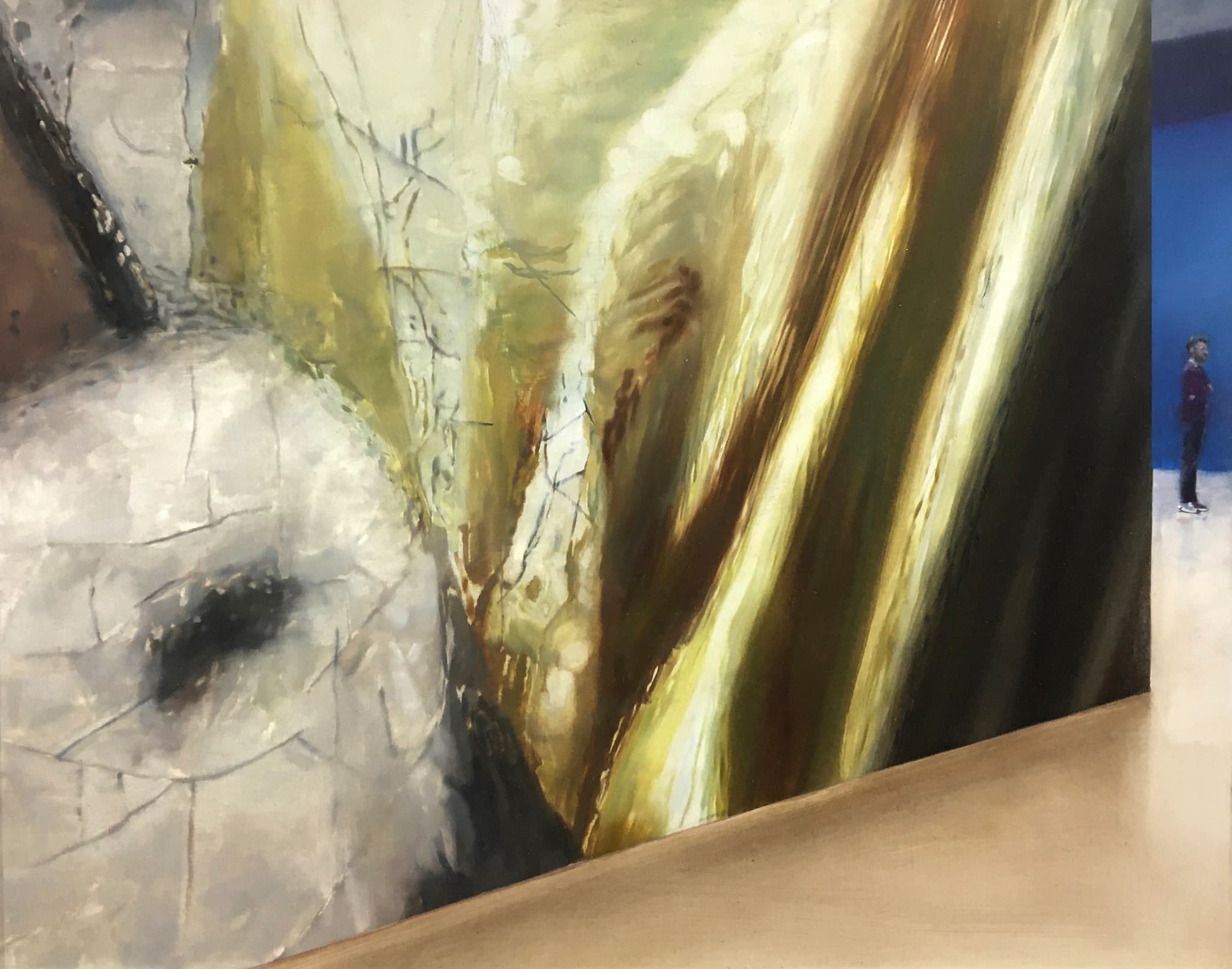
Closer to Verrmeer: exhibition wall vinyl 16 x 20 inch Oil on wood board 2023
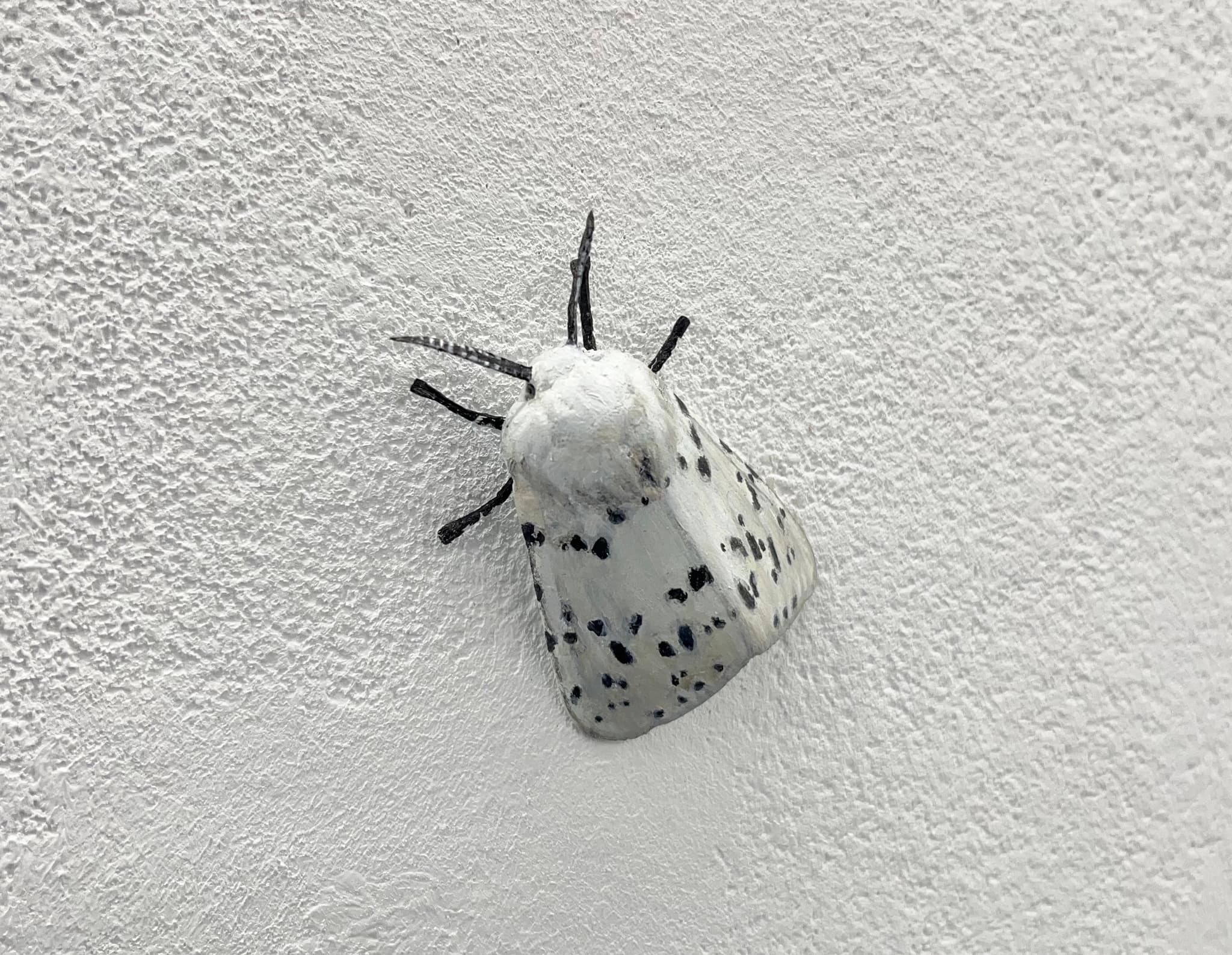
Closer to Verrmeer: white ermine moth 1.5 x 2.25 inches Oil on clay 2023
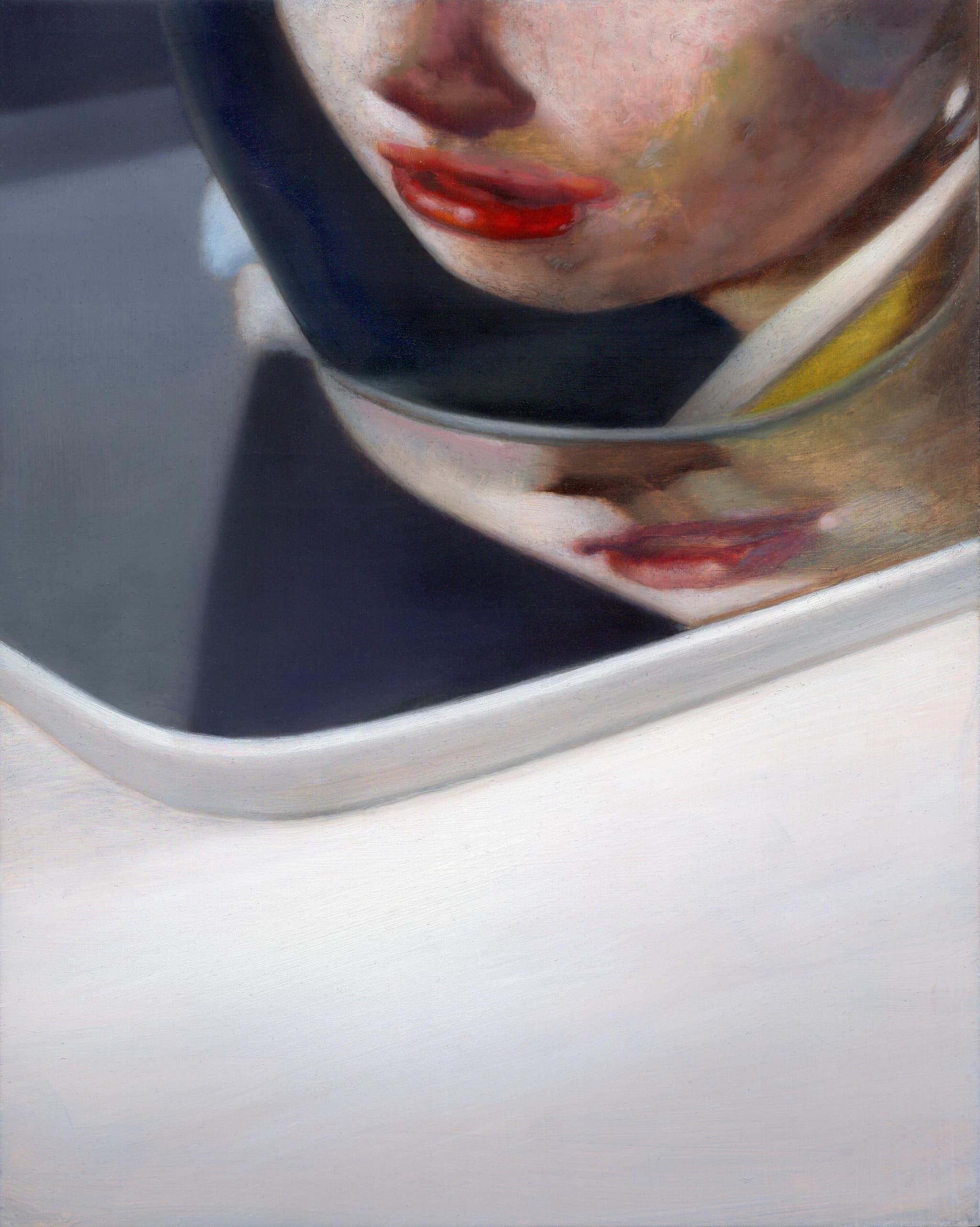
Closer to Verrmeer: merchandise 10 x 8 x inch Oil on wood board 2023
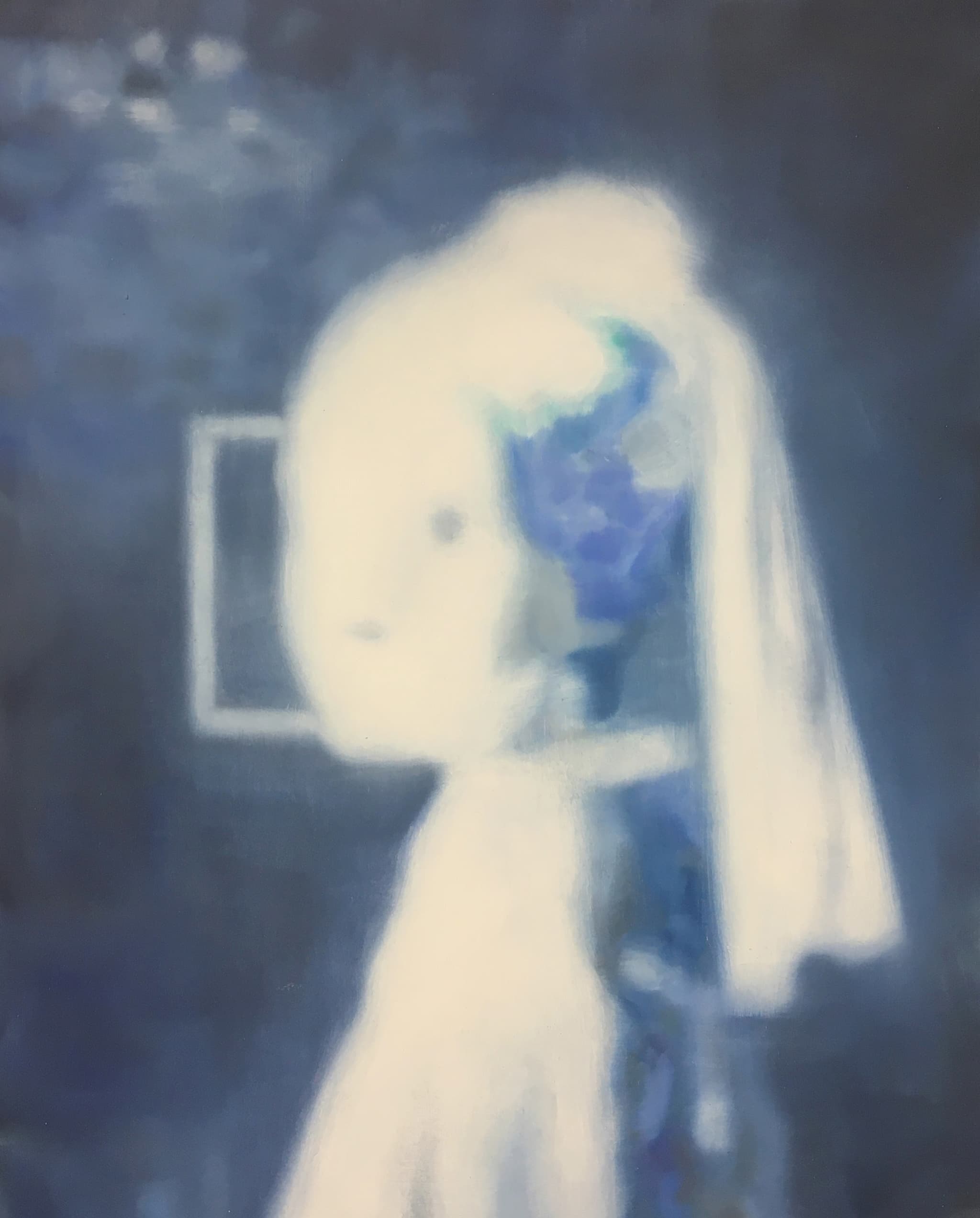
Closer to Verrmeer: through the lens 10 x 8 inch Oil on wood board 2023
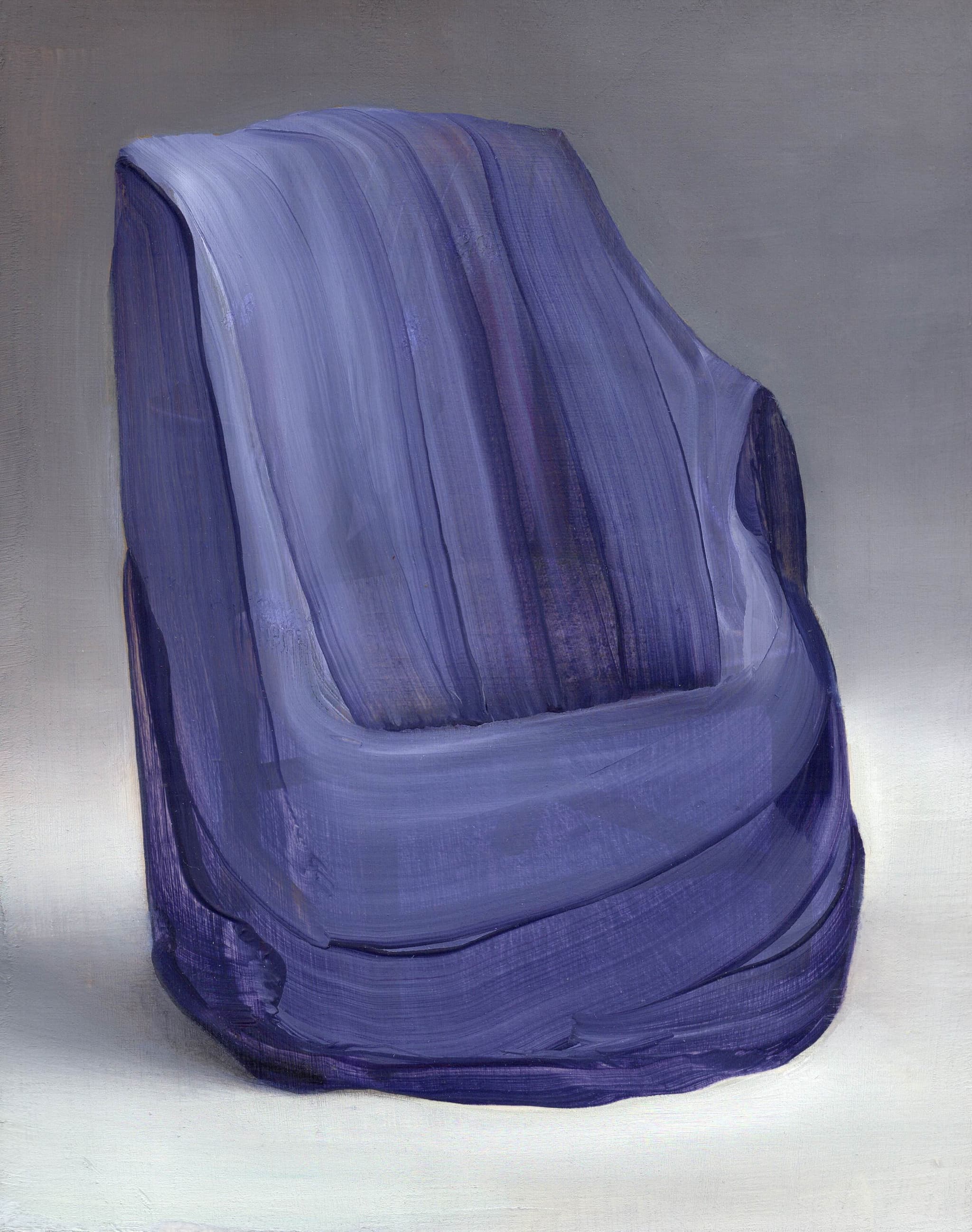
Wrapped chair 2 10.5 x 8 inch Oil on paper 2023
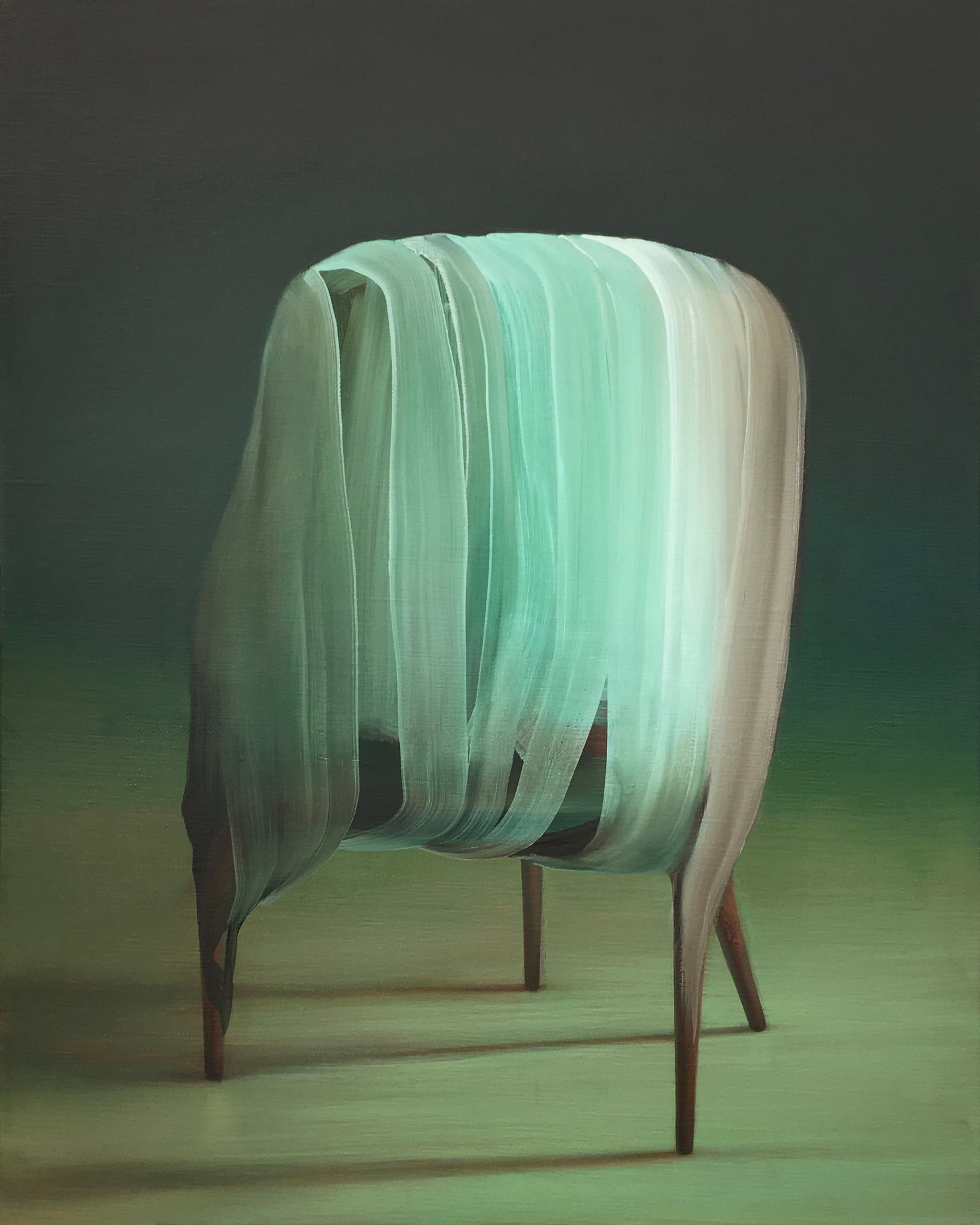
Wrapped chair 7 20 x 16 inch Oil on linen 2023
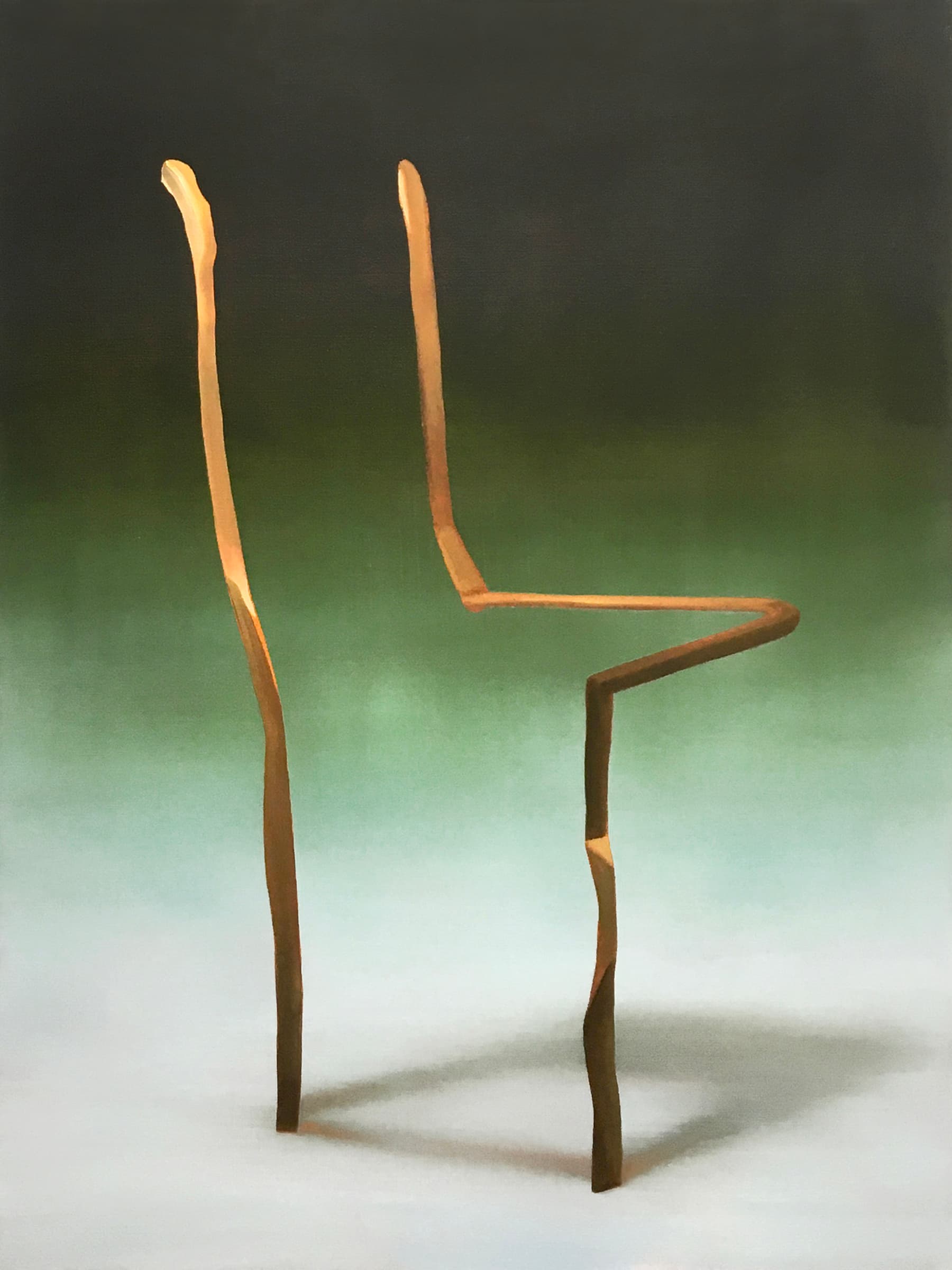
Partial Chair 2 24 x 18 inches Oil on canvas 2021
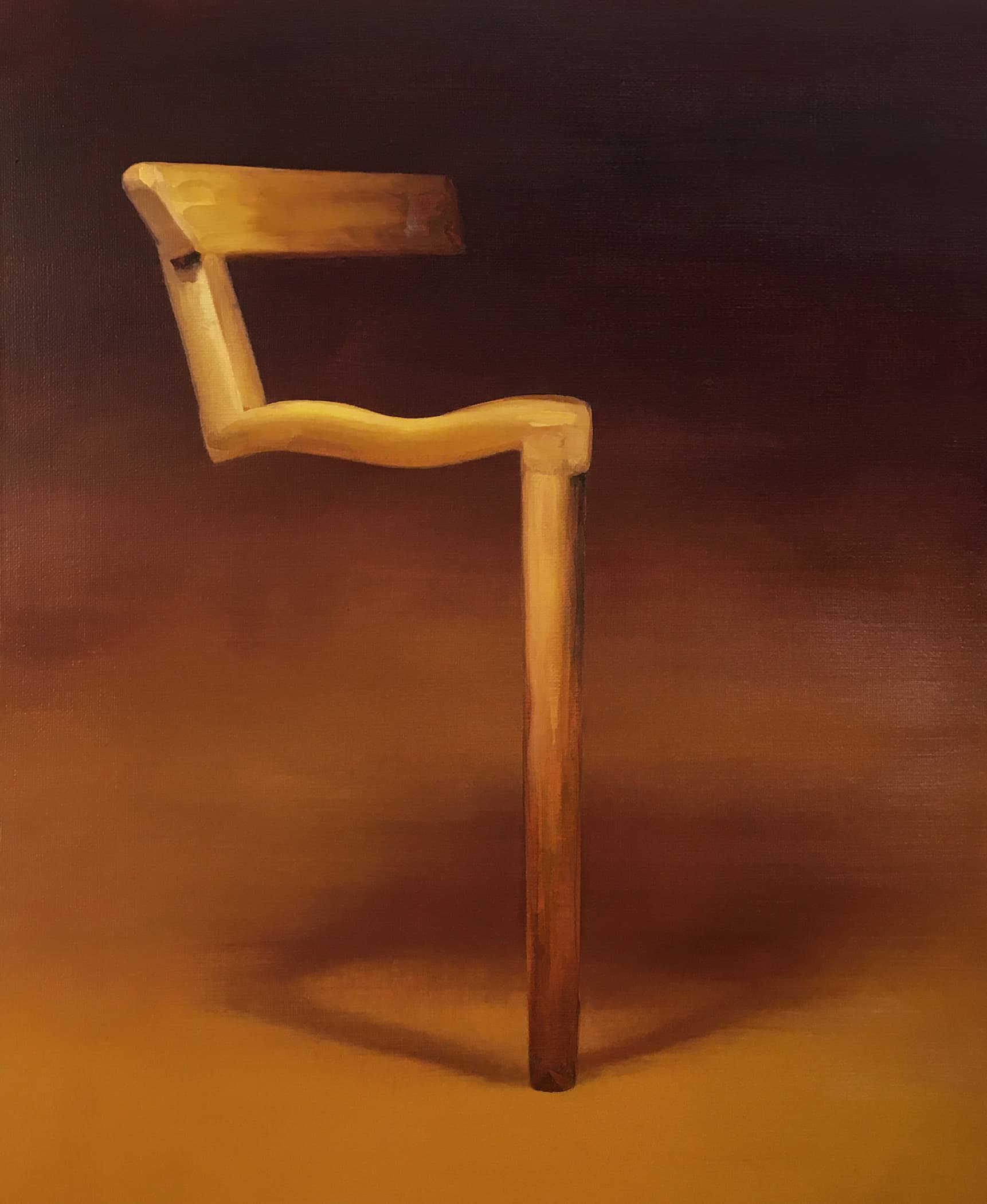
Partial Chair 20 x 16 inches Oil on canvas 2021
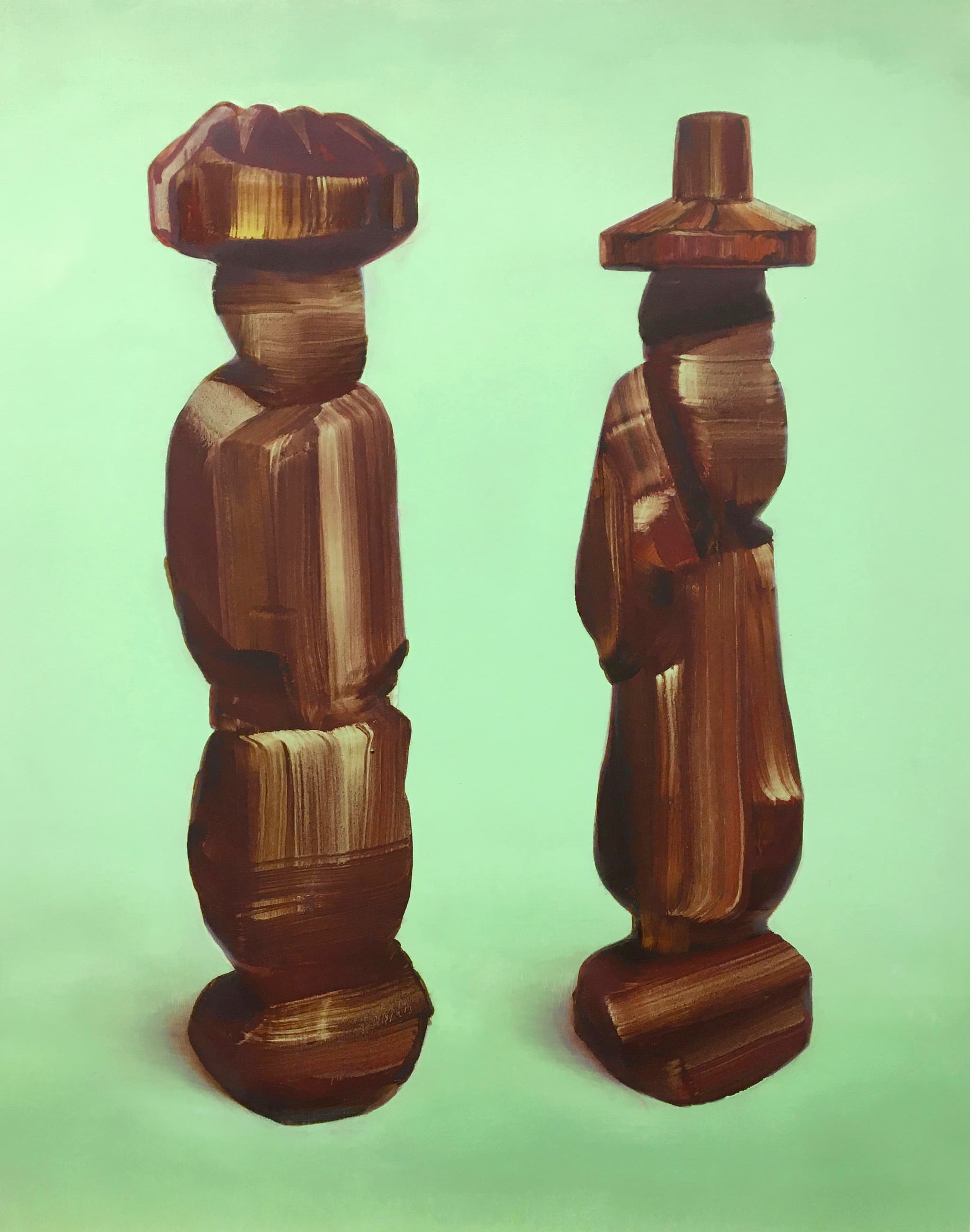
New artifact 11 20 x 16 inch Oil on board 2023
La pared amarilla (The yellow wall) is the title of an exhibition that has as its reference the 2023 exhibition of Vermeer in Amsterdam, defined as the most successful exhibition in the history of the Rijksmuseum, that brought together twenty-eight of Vermeer's thirty-seven known paintings: a blockbuster, once-in-a-lifetime exhibition. The title has its origin in the Proust narrative of the death of the Bergotte, who dies while contemplating a barely visible detail in the famous painting View of Delft, by Vermeer: a yellow wall illuminated by the sun. Articles, essays, and poems have been written about that piece of yellow wall.
This exhibition asks questions related to the aesthetics of reception. For British art critic John Berger, the important issue is not what we see, but how we see. According to Berger, decontextualization, the fragmentation of images, and their linking with other images causes a transformation that alters their original meanings. If previously it was the viewer who went after the images, currently it is the images that reach—or assail-—the viewer.
Closer to Vermeer: yellow jacket 2 20 x 16 inch each, diptych Oil on canvas 2023
La pared amarilla, Espacio Mínimo 2023
La pared amarilla, Espacio Mínimo 2023
Closer to Vermeer: hand on velvet rope 10 x 8 inch Oil on wood board 2023
Closer to Vermeer: figure in blue sweater 7 x 5 inch Oil on wood board 2023
Closer to Vermeer: figure in white shirt 7 x 5 inch Oil on wood board 2023
Closer to Verrmeer: exhibition wall vinyl 16 x 20 inch Oil on wood board 2023
Closer to Verrmeer: white ermine moth 1.5 x 2.25 inches Oil on clay 2023
Closer to Verrmeer: merchandise 10 x 8 x inch Oil on wood board 2023
Closer to Verrmeer: through the lens 10 x 8 inch Oil on wood board 2023
Wrapped chair 2 10.5 x 8 inch Oil on paper 2023
Wrapped chair 7 20 x 16 inch Oil on linen 2023
Partial Chair 2 24 x 18 inches Oil on canvas 2021
Partial Chair 20 x 16 inches Oil on canvas 2021
New artifact 11 20 x 16 inch Oil on board 2023
The Yellow Wall has as its reference the 2023 exhibition of Vermeer in Amsterdam, defined as the most successful exhibition in the history of the Rijksmuseum, that brought together twenty-eight of Vermeer's thirty-seven known paintings: a blockbuster, once-in-a-lifetime exhibition. The title has its origin in the Proust narrative of the death of the Bergotte, who dies while contemplating a barely visible detail in the famous painting View of Delft, by Vermeer: a yellow wall illuminated by the sun. Articles, essays, and poems have been written about that piece of yellow wall.
This exhibition asks questions related to the aesthetics of reception. For British art critic John Berger, the important issue is not what we see, but how we see. According to Berger, decontextualization, the fragmentation of images, and their linking with other images causes a transformation that alters their original meanings. If previously it was the viewer who went after the images, currently it is the images that reach—or assail-—the viewer.